

Welcome to the Prohealth Hong Kong blog, your go-to source for expert tips from our physiotherapy team, as well as the latest news on upcoming events and exclusive promotions. Our experienced physiotherapists share their insights on maintaining optimal health, preventing injuries, and enhancing your overall well-being. Stay informed about our workshops, health seminars, and special offers designed to support your journey to wellness. Join us as we explore the best practices in physiotherapy and corporate wellness across Asia.

Your Posture Matters: A Comprehensive Guide to Standing Tall and Sitting Smart
We’ve all heard the command: “Stand up straight!” It’s often associated with mere appearance, but posture is far more than that—it is a fundamental pillar of our long-term health and well-being. In our modern world of desks, smartphones, and sedentary habits, poor posture has become an epidemic, contributing to a host of issues from chronic pain to reduced energy. Understanding why posture matters and how to correct it is not an exercise in aesthetics; it is an investment in a pain-free and vibrant life.

Unlocking Your Potential: Dickson’s Guide to Anterior Knee Pain
Have you been struggling with pain, limited movement, or discomfort in your knee? You may be experiencing a common condition known as Patellofemoral Pain Syndrome. While it can be frustrating, understanding what's happening in your body is the first step toward recovery.

Don't Let a Hamstring Injury Hold You Back: A Physio's Guide to Recovery and Prevention
A hamstring strain is a common athletic injury that can be effectively managed with a strategic physiotherapy approach. The key to a successful recovery and preventing re-injury lies in moving beyond simple rest and embracing a progressive, structured rehabilitation plan focused on eccentric strength training.

Unlocking Your Potential: Brian’s Guide to Neck and Shoulder Pain
Suffering from neck and shoulder pain? It could be cervical radiculopathy, but there's a solution. Brian, our physiotherapist, helped patient Paul go from daily discomfort to pain-free movement. Brian's approach addresses the root cause, not just the symptoms, using a personalized plan of manual therapy, targeted exercises, and strengthening. This method doesn't just treat the issue it helps you regain your strength and prevent future injury.

ACL Recovery Secrets: The Step-By-Step Physiotherapy Plan for a Strong Comeback
An ACL (Anterior Cruciate Ligament) tear is a devastating injury for athletes and active individuals. The path to recovery can feel long and uncertain, often dominated by the fear of re-injury. However, a successful comeback is not a matter of chance; it's a matter of science and strategy. The true "secret" to a strong return lies not in rushing the process, but in adhering to a meticulous, phased ACL rehabilitation plan that builds a knee more resilient than before.

From Desk to Dream: Simple Ergonomic Fixes for a Pain-Free Workday
Chronic pain is a complex and debilitating condition that affects millions worldwide. Unlike acute pain, which serves as a warning signal for injury or illness, chronic pain persists for months or even years, often outlasting its original cause. This persistent pain can reshape the nervous system, leading to a heightened state of sensitivity where even mild stimuli can be perceived as painful. Managing this condition effectively requires moving beyond a singular focus on the site of discomfort and embracing a holistic approach that addresses the whole person.

Managing Chronic Pain: A Holistic Approach with Physiotherapy
Chronic pain is a complex and debilitating condition that affects millions worldwide. Unlike acute pain, which serves as a warning signal for injury or illness, chronic pain persists for months or even years, often outlasting its original cause. This persistent pain can reshape the nervous system, leading to a heightened state of sensitivity where even mild stimuli can be perceived as painful. Managing this condition effectively requires moving beyond a singular focus on the site of discomfort and embracing a holistic approach that addresses the whole person.

Acupuncture for Anxiety: Finding Calm in a Chaotic World
In an era defined by constant stimulation and pressure, anxiety has become a pervasive challenge, affecting millions seeking relief. While traditional talk therapy and medication are cornerstone treatments, many are looking to complementary approaches to find a deeper sense of calm. Among these, acupuncture, a key pillar of Traditional Chinese Medicine (TCM), is gaining recognition not as a mystical cure, but as a sophisticated, evidence-supported tool for regulating the nervous system and managing anxiety.

Gluteal Tendinopathy – Do’s & Don’ts
Gluteal tendinopathy (often called greater trochanteric pain syndrome) is irritation or degeneration of the gluteus medius and/or minimus tendons at the hip. It commonly causes outer hip pain, especially when walking, climbing stairs, or lying on the affected side. Here, we will discuss what to and what not to do if you have lateral hip pain!

A Holistic Path to Wellness: Exploring Traditional Chinese Medicine
In our fast-paced modern world, the ancient wisdom of Traditional Chinese Medicine (TCM) offers a refreshingly holistic approach to health. Unlike Western medicine, which often focuses on treating specific symptoms, TCM views the body as an interconnected system where balance is the cornerstone of wellness.

Efficacy of High-Intensity Resistance and Impact Training (HiRIT) in a Postmenopausal Woman with Osteopenia and Severe Scoliosis: A Preliminary Case Study
High-intensity resistance impact training (HiRIT) has been shown to be an effective intervention to improve BMD and functional measurements in postmenopausal women and men over the age of 50 with low or very low bone density1,2. However, there are no currently published research studies on the safety or efficacy of a HiRIT intervention in postmenopausal women with osteopenia and severe scoliosis.

Is Bending While Lifting Bad for Your Back?
Back pain is one of the most common health concerns worldwide, affecting people of all ages and lifestyles. Among the many questions surrounding back health, one that frequently arises is: Is bending bad for your back? Let's dive into the facts and debunk some myths surrounding this topic.

Understanding TMJ Pain and Jaw Clicking
Temporomandibular joint (TMJ) disorders are a common source of facial pain and jaw dysfunction affecting millions of people worldwide. The TMJ acts as a sliding hinge that connects your jawbone to your skull, facilitating essential movements like chewing, speaking, and yawning. When this joint becomes misaligned, inflamed, or damaged, it can lead to discomfort, restricted jaw movement, and characteristic clicking or popping sounds. While occasional jaw clicking may not be concerning, persistent pain or dysfunction warrants attention to prevent worsening symptoms.

Desk Job Got Your Neck in Knots? How Physio Can Help
Spending long hours at your desk, hunched over a computer, is a common reality for many. Unfortunately, this can lead to an equally common problem: neck pain, stiffness, and even headaches. This isn't just a minor annoyance; chronic neck discomfort can significantly interfere with your focus, productivity, and overall well-being. But why does desk work so often result in neck pain, and how can physiotherapy provide lasting relief?

What Happens in a Physiotherapy Session?
Experiencing pain, recovering from an injury, or aiming to improve your physical function often leads people to consider physiotherapy. But if you’ve never been to a session, you might wonder what to expect. Physiotherapy is a collaborative process designed to help you regain movement, reduce pain, and enhance your overall quality of life. Here’s a breakdown of what typically happens during a physiotherapy session.

Would a Physio Treat My Knee Pain?
If you’ve been struggling with knee pain—whether it started suddenly after a run, built up slowly over months, or flares up when you climb stairs—you might be wondering: “Is this something a physiotherapist can help with?”
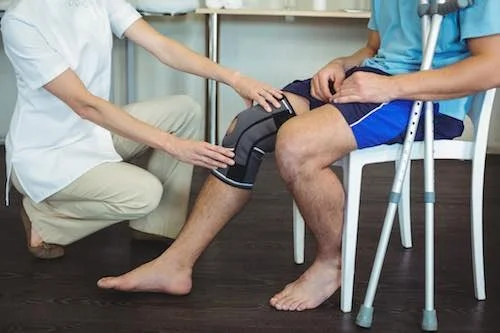
Benefits of Pre/Post-Surgical Physical Therapy
Facing surgery can be a daunting prospect, whether it's for an injury repair, joint replacement, or another medical condition. While the surgical procedure itself is crucial, the journey to full recovery often extends far beyond the operating room. This is where physical therapy plays an indispensable role, both before and after your surgery. Engaging in a structured physical therapy program can significantly enhance your outcomes, reduce recovery time, and improve your overall well-being.
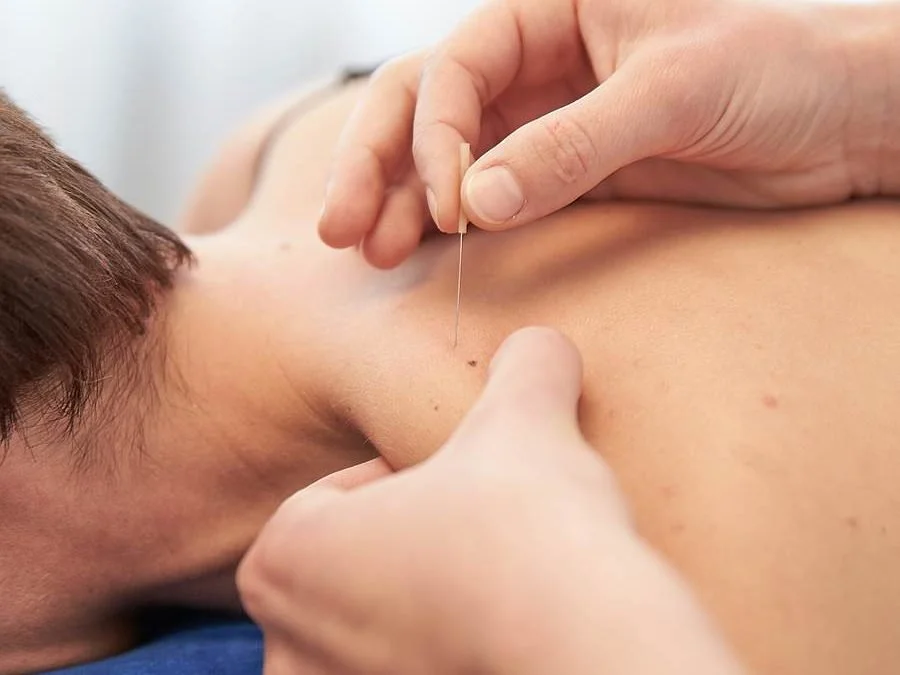
Understanding Dry Needling: The Science and Its Benefits
Dry needling is a highly effective treatment technique used by many physiotherapists to address musculoskeletal pain and movement impairments. While the idea of needles might seem daunting, it's a precise, evidence-based approach that targets specific dysfunctional areas within muscles and connective tissues. Unlike acupuncture, which is rooted in traditional Chinese medicine and focuses on balancing energy (Qi) along meridians, dry needling is based on modern Western anatomical and neurophysiological principles.
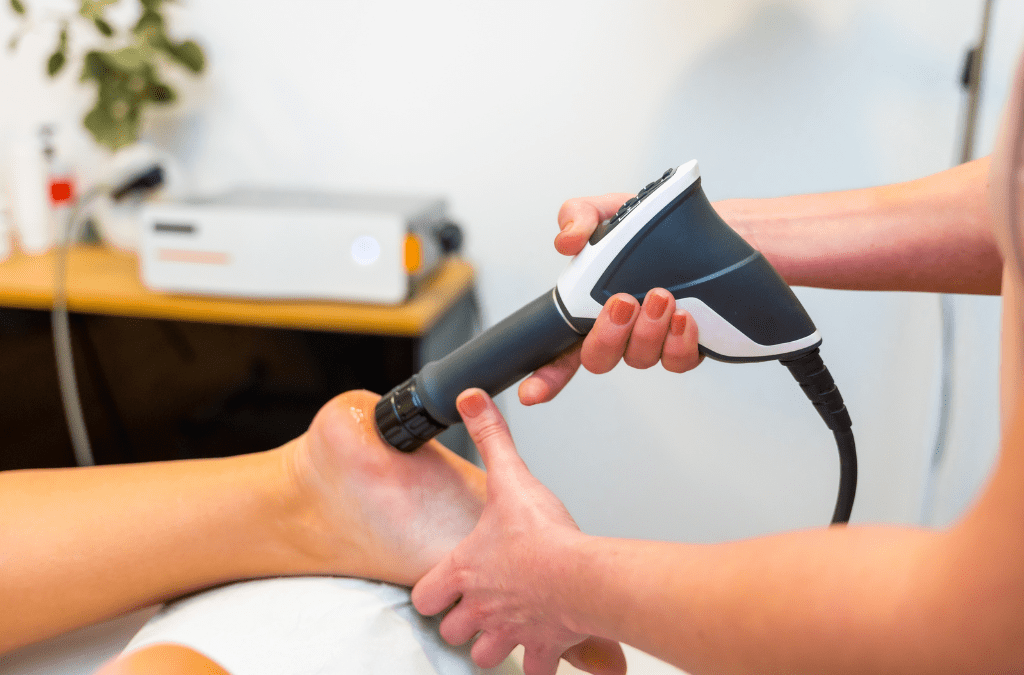
What Conditions Can Shockwave Therapy Treat?
Dealing with persistent musculoskeletal pain, your physiotherapist has recommended shockwave therapy (ESWT), you might be wondering what exactly happens during an appointment. Shockwave therapy is a non-invasive procedure, and while it might sound intimidating, the process is straightforward and typically well-tolerated.
