


Welcome to the Prohealth Hong Kong blog, your go-to source for expert tips from our physiotherapy team, as well as the latest news on upcoming events and exclusive promotions. Our experienced physiotherapists share their insights on maintaining optimal health, preventing injuries, and enhancing your overall well-being. Stay informed about our workshops, health seminars, and special offers designed to support your journey to wellness. Join us as we explore the best practices in physiotherapy and corporate wellness across Asia.

The Room Spins for Seconds? It Might Be BPPV - How Physiotherapy Helps
If you’ve ever rolled over in bed, looked up to a high shelf, or bent to tie your shoes—and suddenly felt the room spin for 10–30 seconds- you may have experienced benign paroxysmal positional vertigo (BPPV). BPPV is one of the most common causes of vertigo, and also one of the most treatable. With the right assessment, many people improve dramatically after just 1–3 physiotherapy sessions.
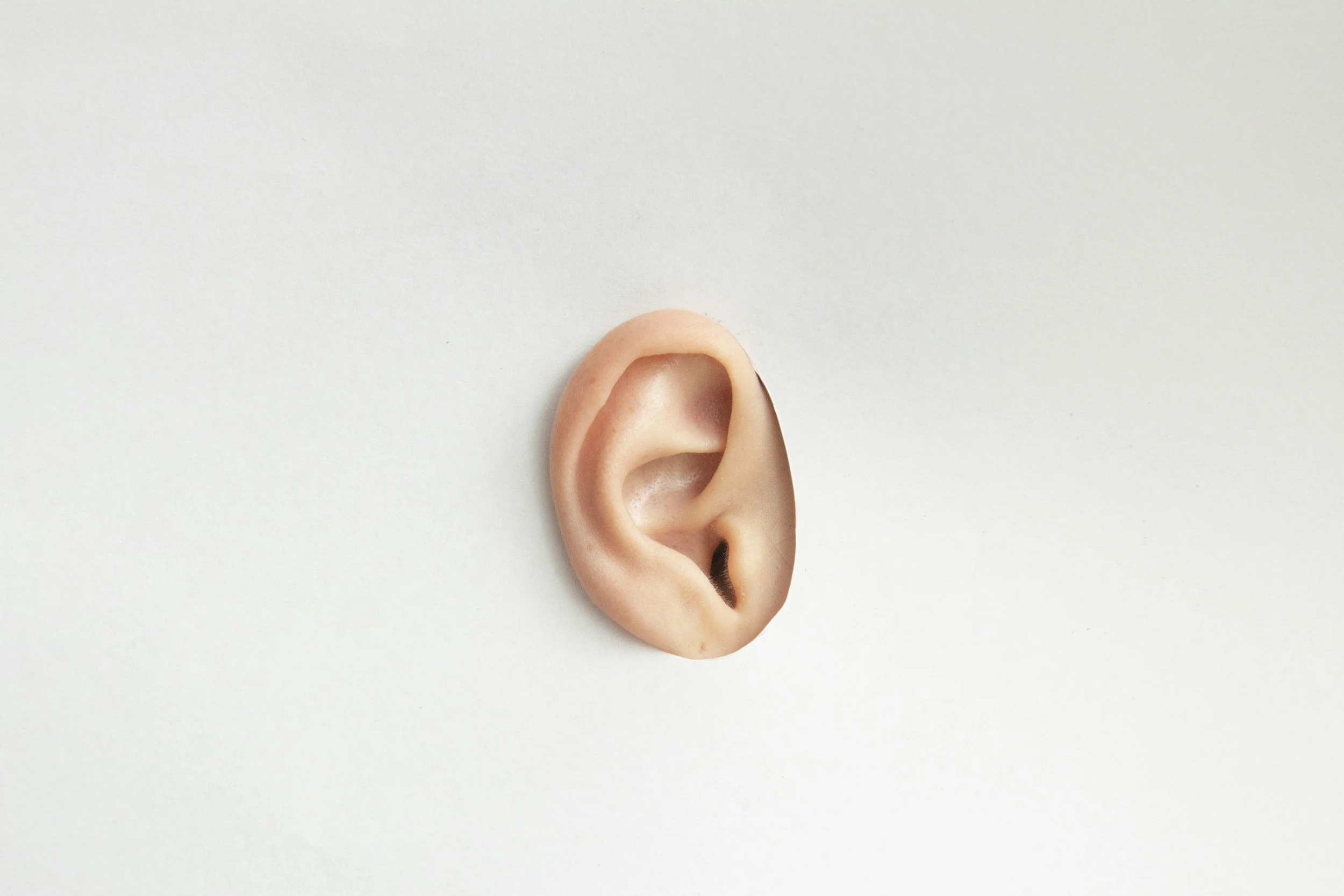
The Complete Guide to Physiotherapy for Tinnitus: How Neck and Muscle Relief Can Quiet the Ringing
When people hear a persistent ringing, buzzing, humming, or clicking in their ears, they almost always assume it is an ear problem. Naturally, the first step for most people is visiting a hearing specialist or an ear doctor. However, medical studies show that for a huge number of people, tinnitus actually has nothing to do with inner ear damage. Instead, the sound comes from tight muscles, stiff joints, and pinched nerves in the neck, jaw, and shoulders.
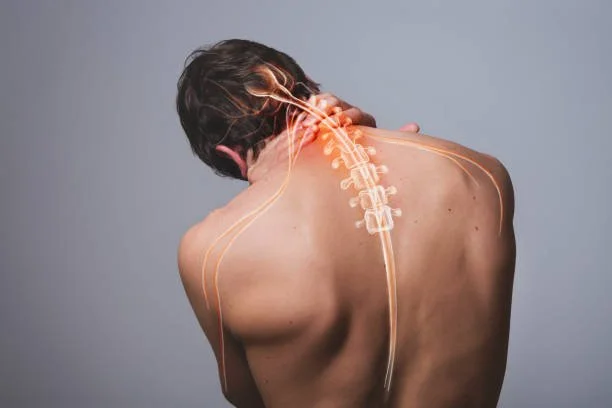
Cervical Radiculopathy: When Neck Pain Causes Arm Pain, Numbness or Weakness
Many people mistake these symptoms for muscle strain or poor posture. However, cervical radiculopathy occurs when one of the nerves exiting the neck becomes irritated or compressed. Fortunately, most people recover well with appropriate conservative treatment, and physiotherapy plays an important role in reducing pain, restoring function, and helping prevent recurrence.

Could Your Jaw Be the Source of Your Headaches? A TMJ Case Study
Jaw discomfort is often dismissed as a minor annoyance, particularly when symptoms come and go. However, problems involving the temporomandibular joint (TMJ) can have a significant impact on daily life, affecting activities such as eating, speaking, concentrating at work, and even sleeping comfortably.
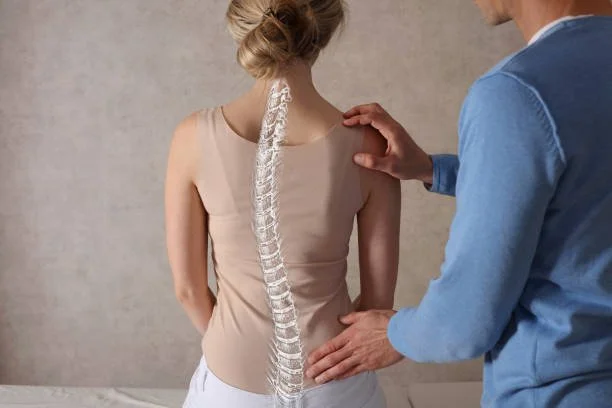
Beyond the Growing Pains: A Physiotherapist’s Guide to Scoliosis in Adolescence and Menopause
As physiotherapists, our clinical focus often shifts depending on the decade of the patient sitting in front of us. However, when it comes to scoliosis, we see two distinct epidemiological peaks across a woman's lifespan: adolescence and menopause.
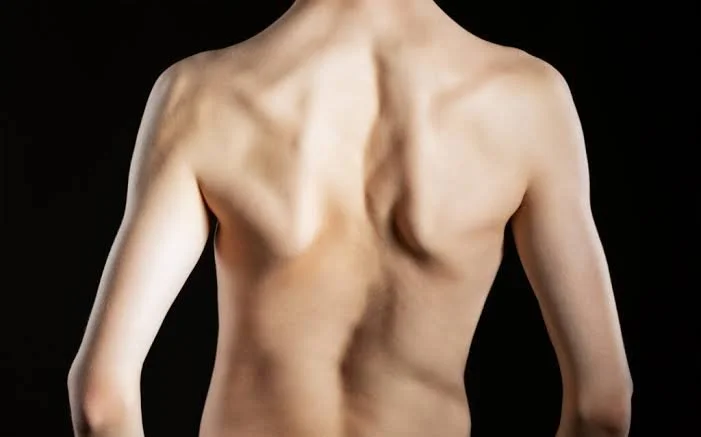
The Schroth Method: A Detailed Look at This Evidence-Based Approach for Scoliosis
The Schroth Method is a specialized, non-surgical physical therapy approach for managing scoliosis. It stands out as one of the most researched and widely used physiotherapeutic scoliosis-specific exercises (PSSE). Developed in Germany in the early 20th century, it addresses the three-dimensional nature of scoliosis rather than just the sideways curve.

Physical Therapy vs. Chiropractor: Which One Do You Need for Chronic Pain?
Before you book an appointment, let’s peel back the marketing and look at the clinical science behind physical therapy and chiropractic care so you can choose the right path for your body.

Is Your Desk Job Causing Lower Back Pain?
When you are standing, your feet and legs support your weight. But the moment you sit down, your pelvis becomes the new foundation of your spine. To sit without pain, your body relies on a neutral pelvic position supported by a balance between your hip flexors, glutes, and core.

The Unexpected Origin of Your Chronic Pain: Look Down at Your Feet
Do you wake up with a stiff lower back, struggle with nagging knee pain when you walk, or battle constant tension headaches at your desk? You've probably tried stretching, taking pain relievers, or upgrading your office chair, only to have the ache return a few days later. It is exhausting to feel like your body is constantly working against you.

TMJ Disorder Physiotherapy: Understanding Jaw Pain and How Physiotherapy Can Help
Jaw pain can make everyday activities like eating, speaking, yawning, or even smiling uncomfortable. Many people experiencing these symptoms may have a temporomandibular joint (TMJ) disorder — often shortened to TMD. The good news is that physiotherapy can play an important role in reducing pain, improving jaw movement, and helping people return to normal daily activities.

When Neck Pain Affects Your Balance: A Physiotherapy Perspective
Research in physiotherapy and rehabilitation has shown that disturbances in neck-related sensory signals can affect postural stability, eye movement control, and coordination of head and eye movements in people with neck disorders. To understand this better, let’s look at a real clinical example.

Headache & Neck Pain: What You Need to Know (From a Physiotherapy Perspective)
Headache and neck pain often show up together—and for many people, they can become persistent, frustrating, and confusing. The good news? Understanding why they happen and how to manage them can make a huge difference.

Managing Arthritis: How Physiotherapy Can Reduce Joint Pain and Stiffness
Living with arthritis can feel like a daily battle. From joint pain in the morning to stiffness that makes everyday tasks harder, arthritis affects more than just your body. It can impact your mood, energy levels, and ability to stay independent.
But here’s some good news: physiotherapy is one of the most effective ways to manage arthritis symptoms. Whether you're newly diagnosed or have been managing arthritis for years, working with a physiotherapist can help reduce pain, improve movement, and keep your joints as healthy as possible..

Managing Chronic Pain: A Holistic Approach with Physiotherapy
Chronic pain is a complex and debilitating condition that affects millions worldwide. Unlike acute pain, which serves as a warning signal for injury or illness, chronic pain persists for months or even years, often outlasting its original cause. This persistent pain can reshape the nervous system, leading to a heightened state of sensitivity where even mild stimuli can be perceived as painful. Managing this condition effectively requires moving beyond a singular focus on the site of discomfort and embracing a holistic approach that addresses the whole person.

Understanding TMJ Pain and Jaw Clicking
Temporomandibular joint (TMJ) disorders are a common source of facial pain and jaw dysfunction affecting millions of people worldwide. The TMJ acts as a sliding hinge that connects your jawbone to your skull, facilitating essential movements like chewing, speaking, and yawning. When this joint becomes misaligned, inflamed, or damaged, it can lead to discomfort, restricted jaw movement, and characteristic clicking or popping sounds. While occasional jaw clicking may not be concerning, persistent pain or dysfunction warrants attention to prevent worsening symptoms.

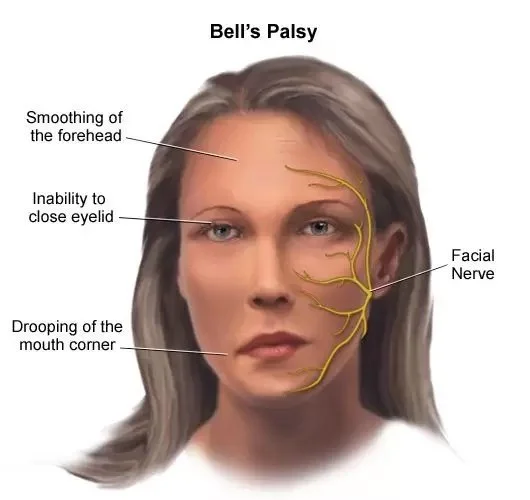
Bell's Palsy Case Study: A 55-Year-Old Female
A 55-year-old female sought medical attention for Bell's palsy, a condition characterized by sudden facial paralysis. She woke up one morning unable to fully open her right eye, with the right side of her face and mouth drooping. Additionally, she experienced a loss of sensation on the right side of her face.