
When Neck Pain Affects Your Balance: A Physiotherapy Perspective

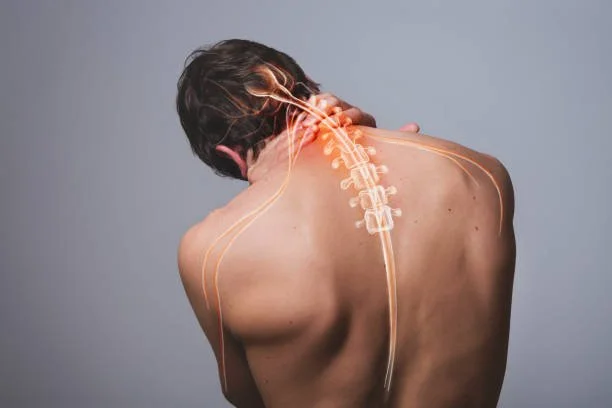
Most people think of the neck simply as the structure that allows us to turn our head or hold it upright. However, the neck also plays an important role in balance, coordination, and visual control.
The muscles and joints in the neck contain many sensory receptors that constantly send information to the brain about where the head is positioned. These signals work together with the eyes and the inner ear to help maintain balance and stabilize vision when we move.
When the neck becomes painful, stiff, or injured, this sensory system can sometimes become disrupted. This may lead to symptoms such as unsteadiness, visual discomfort, or difficulty focusing when moving — even when medical scans appear normal.
Research in physiotherapy and rehabilitation has shown that disturbances in neck-related sensory signals can affect postural stability, eye movement control, and coordination of head and eye movements in people with neck disorders.
To understand this better, let’s look at a real clinical example.
A Real Patient Story: Mr. L
Mr. L came to physiotherapy with a long history of chronic neck and shoulder pain. Along with the pain, he also described something else that concerned him.
Occasionally he felt unsteady when walking outdoors on slopes, particularly on uneven ground. He also noticed discomfort and slight disorientation when moving through busy supermarkets, and when working for prolonged periods at the computer in the office.
These symptoms were frustrating because they didn’t seem to match a clear diagnosis.
Before beginning physiotherapy treatment, it was important to rule out serious causes. Mr. L underwent medical investigations including brain and neck scans, which came back normal. He was also assessed for Benign Paroxysmal Positional Vertigo (BPPV) — a common inner ear cause of dizziness — and the tests were negative.
With these possibilities excluded, we began looking at another potential contributor: how the neck communicates with the brain to control movement and vision.
The Neck’s Hidden Role in Balance and Vision
The neck plays a surprisingly important role in how the brain understands body position in space.
Sensory receptors in the cervical spine provide information that integrates with signals from the visual system and the vestibular system (inner ear). Together, these systems allow us to:
Maintain balance when standing or walking
Stabilize our vision while moving our head
Coordinate eye and head movements smoothly
If the neck is painful or irritated, these signals may become less accurate. When this happens, the brain receives conflicting information about head position, which can affect balance and visual control.
Recent physiotherapy research highlights that the cervical spine plays an important role in sensorimotor control, and disturbances in this system can contribute to dizziness, unsteadiness, and altered eye movement control in some individuals with neck disorders.
What We Found in Mr. L’s Physiotherapy Assessment
During Mr. L’s physiotherapy assessment, we evaluated several aspects of how his neck interacts with balance and visual control.
Two findings stood out.
1. Oculomotor Control (Eye Movement Control)
Mr. L had difficulty with smooth pursuit, which is the ability of the eyes to smoothly follow a moving object.
Interestingly, the problem became more noticeable when his neck was rotated to the right side, suggesting that signals coming from the neck were influencing how well the eyes could track movement.
This type of finding can sometimes occur when cervical sensorimotor signals are disrupted.
2. Eye–Head Coordination
Normally, the eyes and head can move independently but still coordinate smoothly.
Mr. L had difficulty with this coordination, particularly when switching between eye movements and head movements.
This deficit helped explain why he sometimes felt uncomfortable in visually busy environments such as supermarkets, or when walking on slopes outdoors.
How Physiotherapy Can Help
The encouraging news is that this type of problem can often improve with targeted physiotherapy rehabilitation.
Instead of focusing only on stretching or strengthening the neck, treatment may include sensorimotor retraining exercises. These exercises aim to improve how the neck, eyes, and brain communicate with each other.
Research suggests that adding cervical sensorimotor control exercises to standard physiotherapy treatments such as manual therapy and neck exercises can improve outcomes for people with neck pain.
For Mr. L, the exercise program was tailored according to the findings from his assessment and included:
Eye movement exercises to improve smooth visual tracking
Eye–head coordination exercises to retrain timing between eye and head movements
Gradual movement retraining to improve tolerance to activities such as walking outdoors or working at the computer
These exercises are usually performed in short sessions and progressed gradually as the body adapts.
Why the Right Assessment Matters
Many people with chronic neck pain experience symptoms that can be difficult to explain. Feeling unsteady, visually uncomfortable, or “off balance” can be worrying — especially when medical scans appear normal.
However, in some cases the issue may relate to how the neck’s sensory system interacts with balance and vision, rather than a structural problem visible on imaging.
A physiotherapy assessment may therefore include evaluating not only neck movement and strength, but also:
Balance
Eye movement control
Head–eye coordination
Cervical proprioception (awareness of head position)
This helps guide the most appropriate treatment plan.
When Should You Seek Physiotherapy Assessment?
You may benefit from physiotherapy assessment if you experience:
Ongoing neck pain with feelings of unsteadiness
Difficulty focusing visually when moving your head
Symptoms that worsen in busy visual environments
Discomfort when turning the head or working at a computer for long periods
These symptoms do not always mean something serious, but they are worth assessing so that the right treatment approach can be identified.
The Takeaway
The neck does more than support the head — it plays an important role in balance, vision, and movement coordination.
For people like Mr. L, addressing how the neck communicates with the brain can be an important step toward reducing symptoms and improving confidence in daily activities.
With the right assessment and a tailored exercise program, many people are able to gradually regain better stability, coordination, and comfort in everyday movement.
References
Sremakaew, M., Jull, G., Treleaven, J., & Uthaikhup, S. (2023). Effectiveness of adding rehabilitation of cervical related sensorimotor control to manual therapy and exercise for neck pain: A randomized controlled trial. Musculoskeletal Science & Practice, 63, 102690.
Sremakaew, M., Jull, G., Treleaven, J., Barbero, M., Falla, D., & Uthaikhup, S. (2018). Effects of local treatment with and without sensorimotor and balance exercise in individuals with neck pain: Protocol for a randomized controlled trial. BMC Musculoskeletal Disorders, 19(1), 48.
Treleaven, J. (2024). The role of the cervical spine in dizziness. Journal of Neurologic Physical Therapy, 48(4), 1–10.
Treleaven, J. (2024). Clinical recognition of the role of the cervical spine in signs and symptoms of altered sensorimotor control. Musculoskeletal Science & Practice, 74, 103187.
Ready to Start Your Journey? Book A Physiotherapy Session with Jason Today!
Reaching out to a physiotherapist can be the turning point in your recovery. We're here to help you get back to doing the things you love, without being held back by pain.