
Say Goodbye to Shin Splints: A Professional Guide to Recovery and Prevention
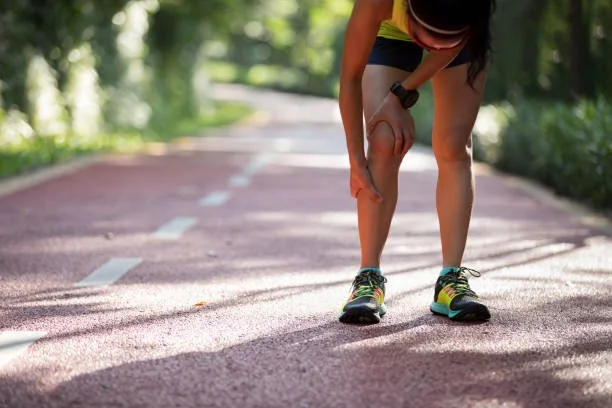
Are you a runner training for the Hong Kong Marathon, or perhaps a hiker tackling the Dragon’s Back, only to be stopped in your tracks by a sharp, aching pain in your shins?
You aren’t alone. Shin splints—medically known as Medial Tibial Stress Syndrome (MTSS)—are one of the most common overuse injuries we treat at ProHealth Asia. The good news? With the right management, you can get back to your peak performance without the pain.
What Exactly Are Shin Splints?
Shin splints refer to inflammation of the muscles, tendons, and bone tissue around your tibia (shinbone). The pain typically occurs along the inner edge of the shinbone where muscles attach to the bone.
Common Symptoms Include:
Tenderness or soreness along the inner side of the shinbone.
Mild swelling in the lower leg.
Pain that begins at the start of exercise but may settle as you warm up (in early stages).
Sharp pain that lingers after you stop moving (in more advanced stages).
Why Do They Happen? (Common Triggers)
In a bustling city like Hong Kong, our environment often contributes to leg injuries. Common causes include:
Hard Surfaces: Running constantly on concrete pavements or the Bowen Road path without adequate shock absorption.
Sudden Intensity: Increasing your mileage or pace too quickly (the "too much, too soon" rule).
Poor Footwear: Using worn-out trainers that no longer support your arches.
Biomechanical Issues: Overpronation (flat feet) or tight calf muscles putting extra stress on the tibia.
How to Manage Shin Splints: The ProHealth Path
If you're feeling the "burn" in all the wrong ways, follow these steps to manage the discomfort:
1. The "Relative Rest" Phase
Stop the activities that cause pain. This doesn't mean you have to be sedentary—switch to low-impact exercises like swimming or cycling to maintain your cardiovascular fitness while your shins heal.
2. Ice and Compression
Apply ice to the affected area for 15–20 minutes several times a day. This helps reduce localized inflammation.
3. Strengthening and Stretching
Focus on the "supporting cast" of your lower legs.
Gastrocnemius/Soleus Stretch: Keep your calves flexible to reduce the pull on the shinbone.
Tibialis Anterior Strengthening: Use resistance bands to strengthen the front of the leg.
4. Professional Assessment
If pain persists, it is vital to rule out a stress fracture. A professional physiotherapist can perform a gait analysis to see exactly how your foot strikes the ground and whether custom orthotics are necessary.
When to See a Physiotherapist
While home care helps, chronic shin splints often stem from underlying movement patterns that need correction. At ProHealth Asia Hong Kong, we use a combination of:
Manual Therapy: To release muscle tension.
Dry Needling: To target deep trigger points.
Gait Re-training: To optimize your running form.
Shockwave Therapy: To accelerate healing in stubborn cases.
Pro Tip: Replace your running shoes every 500–800 kilometers. Even if they look clean, the internal cushioning often collapses long before the tread wears out!
Final Thoughts
Don't let shin pain become a permanent fixture of your fitness journey. Early intervention is the key to preventing a minor ache from becoming a major setback.
Ready to run pain-free? Book a consultation with our specialist team at ProHealth Asia today.