
Clinical Pilates: Your Evidence-Based Guide to a Stronger, Safer Core
We all know that a strong core is important. But as a Women's Health Physiotherapist, I can tell you that core strength is far more important how your stomach looks.
Your core is a complex system: your deep abdominals, back muscles, and pelvic floor all work together. It's the foundation that supports you when you lift your child, run for the bus, or even just sneeze.
So, how do you rebuild this foundation safely, especially if you have back pain, are navigating pregnancy, or are in menopause? Clinical Pilates.
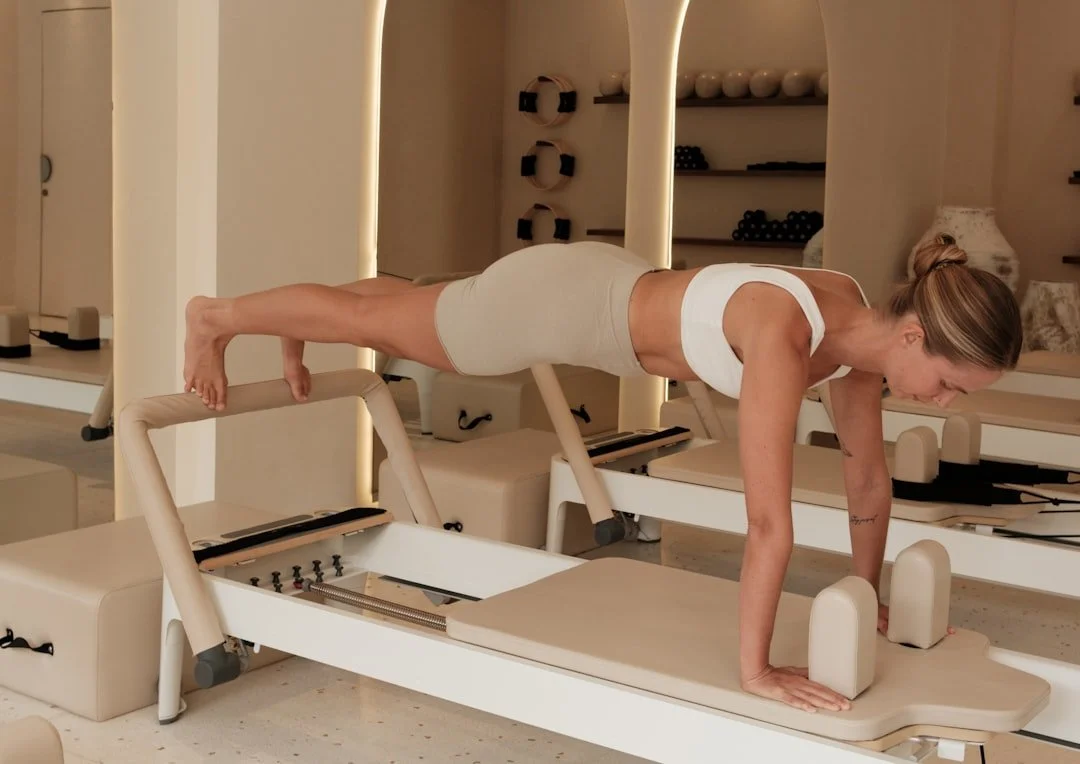
This isn't a generic fitness class. It's a targeted, therapeutic approach guided by a physiotherapist. Let's walk through exactly what it is, why it works, and how it can help you.
The Deep Core Difference: Bouncing Back After Injury
What It Is:
Clinical Pilates focuses on retraining the deep, supporting muscles of your lumbopelvic region, which is your lower back, pelvis, and hips.
Why It's Important:
For many men and women, this area becomes weak or unstable due to injury, or just daily life. For women specifically, this can occur during or after pregnancy. A weak core forces other muscles to compensate, leading to pain.
The Evidence:
A 2025 study found that after just 8 weeks of Clinical Pilates, women with chronic pain significantly increased the thickness of key core muscles. Another 2026 trial showed it is highly effective for improving muscle function in women with chronic low back pain.
Your Action Plan:
We focus on how you control your spine, not just how you move it.
Start with the basics: You'll learn to engage your deep abdominals and pelvic floor independently.
This leads to better posture, less strain on your joints, and a body that handles daily life with ease.
Pregnancy, Postpartum & Beyond: Meeting Your Body Where It's At
What It Is:
A safe, modified Pilates approach tailored for the huge physical changes of growing a baby and recovering afterward.
Why It's Important:
Pregnancy can leave you with diastasis recti (abdominal separation), pelvic girdle pain, and a weakened pelvic floor. Doing the wrong exercises can make this worse. Clinical Pilates with supervision does the opposite.
The Evidence:
Research shows Pilates during pregnancy can lead to significant improvements in birth outcomes, including a reduction in labour duration. For the postpartum period, studies highlight its effectiveness in improving pelvic floor muscle strength after birth.
Your Action Plan:
Focus on exercises that support your changing posture and keep your pelvic floor connected.
Postpartum (early): Gentle reconnection of the deep core and scar tissue mobility (if you had a C-section) is key.
Postpartum (later): Safely rebuild overall strength and endurance, closing any abdominal separation and resolving back pain.
Menopause and Strength: Staying Strong When Hormones Shift
What It Is:
A targeted exercise approach to counteract the specific physical changes of menopause: muscle loss, bone density decline, and joint stiffness.
Why It's Important:
The drop in oestrogen during menopause accelerates these changes. Maintaining strength and flexibility is your best defence.
The Evidence:
Experts point out that Pilates is proven to increase muscle strength and flexibility, which are crucial for counteracting the effects of menopause. The weight-bearing nature of many exercises also helps maintain bone density.
Your Action Plan
Prioritise strength: We focus on building lean muscle mass to keep your metabolism and strength up.
Protect your bones: Exercises are chosen to provide safe, effective loading to maintain bone density.
Your Roadmap to a Stronger Foundation
Clinical Pilates isn't a quick fix. It's a process of rebuilding your strength from the inside out.
Phase 1: The Assessment (Your First Visit)
What happens: We take a full history and assess your posture, movement patterns, core strength.
Your goal: To understand your body's unique strengths and weaknesses.
Phase 2: The Foundation (Weeks 1-4)
What happens: You learn the basics: neutral spine, breathing, and engaging the deep core correctly. Exercises are gentle and precise.
Your goal: To build body awareness and establish correct movement patterns without pain.
Phase 3: The Progression (Weeks 4-8+)
What happens: As you gain control, exercises become more challenging. We add load, complexity, and functional movements.
Your goal: To build endurance and strength that translates directly to your daily life.
Phase 4: The Integration (Ongoing)
What happens: You have a strong, resilient core. You understand how to move safely in the gym, in life, and in your chosen activities.
Your goal: To maintain your strength and prevent future injuries, with a program that fits your lifestyle.
Is Clinical Pilates Right for You? Ask yourself these questions:
Do I have low back pain that won't go away?
Am I pregnant or less than a year postpartum?
Do I leak urine when I exercise, cough, or sneeze?
Am I entering menopause and feel like my body is changing?
Do I just want to move better and feel stronger?
If you answered yes to any of these, Clinical Pilates is likely a perfect fit.
Ready to Start Your Journey? Book A Clinical Pilates Session With Yashmita Today!
Curious about Clinicical Pilates. Reaching out to a physiotherapist can be the turning point in your recovery. We're here to help you get back to doing the things you love, without being held back by pain.