
Beyond the Knife: The ACL Bracing Protocol and Collaborative Care for Knee Stability
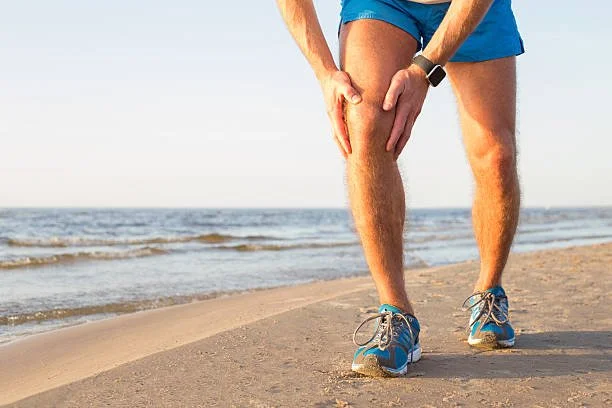
The anterior cruciate ligament (ACL) tear is one of the most common and feared knee injuries among athletes and active individuals in Hong Kong. For decades, the standard advice was clear: if you want to return to sports, you need surgery.
However, at ProHealth Sports and Spinal Physiotherapy Centres, we believe in exploring every avenue before committing to the knife. While ACL reconstruction surgery is a remarkable procedure, it is not the only path, nor is it always the first path. Thanks to advancements in orthopaedic technology and rehabilitation science, a structured ACL Bracing Protocol offers a viable route to healing for specific patients.
But this isn't just about wearing a brace. It is a delicate dance of collaboration between your orthopaedic surgeon and physiotherapist, utilizing high-tech imaging and adjunct treatments like PRP (Platelet-Rich Plasma) to either avoid surgery entirely or time it perfectly for the best possible outcome.
Here is how our multidisciplinary team approaches ACL care.
The Golden Window: Why the First Six Weeks Matter
When an ACL tears, the knee becomes unstable. It can buckle or give way, risking damage to the meniscus and articular cartilage. The common reflex is to rush into surgery to "fix it." However, immediate surgery on a hot, swollen, and inflamed knee can lead to a complication called Arthrofibrosis (excessive scar tissue), which limits the range of motion permanently.
This is where the Prehabilitation (Prehab) and Bracing Protocol begins.
Phase 1: Immobilization and Imaging Surveillance
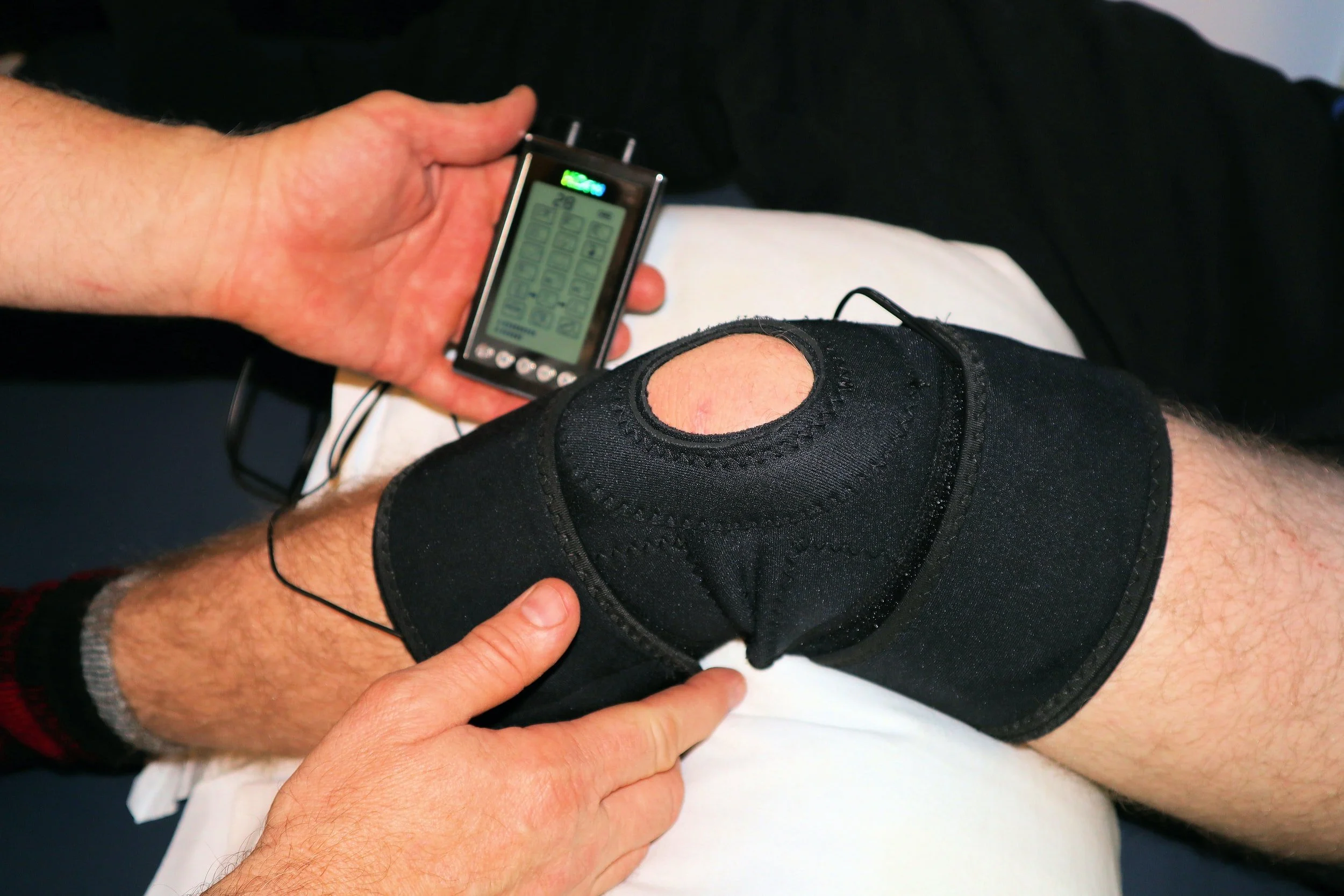
Under the guidance of our orthopaedic surgeon, the first step is often to stabilize the joint. A high-quality, custom-fitted ACL brace is utilized to protect the knee from "giving way" episodes while allowing the body to begin its natural healing process.
The Surgeon’s Role:
The surgeon’s eye is critical here. We don’t just guess what is happening inside; we monitor it closely.
· High-Resolution Imaging: We utilize advanced MRI and Ultrasound imaging to assess the precise location of the tear. Is it a mid-substance tear (which rarely heals) or a femoral avulsion (where the ligament pulled off the bone, which can potentially heal if the ends are reapproximated)?
· The PRP Adjunct: For partial tears or certain complete tears where the ligament ends are close together, the surgeon may administer a Platelet-Rich Plasma (PRP) injection. PRP uses your body’s own concentrated growth factors to stimulate healing. When the brace holds the ligament in a relaxed position, the PRP acts as a biologic stimulant, encouraging the ligament to scar down and regain tension.
Phase 2: The Physiotherapist’s Touch
While the brace provides the structural safety, the physiotherapist provides the neurological and muscular environment for healing. Our in-house physiotherapy team works in lockstep with the surgeon’s instructions.
The Physio’s Role:
· Restoring Extension: The number one priority is getting the knee to fully straighten (terminal extension) without stressing the healing ligament. The brace settings are adjusted to allow safe ranges of motion.
· Muscle Reactivation: The ACL relies on the quadriceps and hamstrings as "dynamic stabilizers." If those muscles are weak, the ligament takes all the stress. We use biofeedback and specific strengthening exercises to wake up these muscles while the brace keeps the joint aligned.
· Proprioception: The ACL has nerve endings that tell your brain where your knee is in space. After an injury, this communication is lost. We retrain this to prevent future instability.
The Crossroads: Deciding on Surgery
This is where the collaborative model is most crucial. After a period of bracing, prehab, and possibly PRP, we reassess. This usually happens around the 6 to 12-week mark.
Decision Matrix:
1. The "No Surgery" Success: If the patient has no episodes of "giving way," the physiotherapist confirms excellent neuromuscular control, and the surgeon sees a stable endpoint on physical examination, we may successfully transition to functional bracing and sport-specific rehab. Surgery is avoided.
2. The "Surgery Required" Scenario: If the knee remains unstable during daily activities, or if the patient wishes to return to high-demand sports (like basketball, soccer, or martial arts) and the ligament is deemed non-viable, we proceed to surgery.
The advantage? Because we have spent weeks on prehab, the patient enters surgery with a full range of motion and strong muscles. This results in faster post-operative recovery and a lower risk of complications.
Why This Approach is Best for You
Choosing a "Bracing First" protocol doesn't mean delaying the inevitable; it means giving your body the best chance to heal itself while preparing it for the worst-case scenario (surgery) in the best possible way.
At ProHealth Asia, our orthopaedic surgeons and physiotherapists share notes, review your imaging together, and communicate constantly to ensure your treatment plan is dynamic and personalized.
Are you unsure if your ACL injury requires surgery? Don’t let a knee injury bench you indefinitely.
· Book a consultation with our Orthopaedic Specialist to assess your injury and discuss the potential of PRP and bracing.
· Or, schedule an assessment with our Senior Physiotherapist to begin your prehab journey today.
Together, we’ll build a game plan that gets you back on your feet, with or without surgery.