
The Role of Lymphatic Drainage in Physiotherapy
Think of your lymphatic system as the body’s silent "waste management" network. It’s a complex map of vessels and nodes that filters toxins and manages fluid balance. When this system hits a roadblock, the results range from uncomfortable swelling to serious health risks.
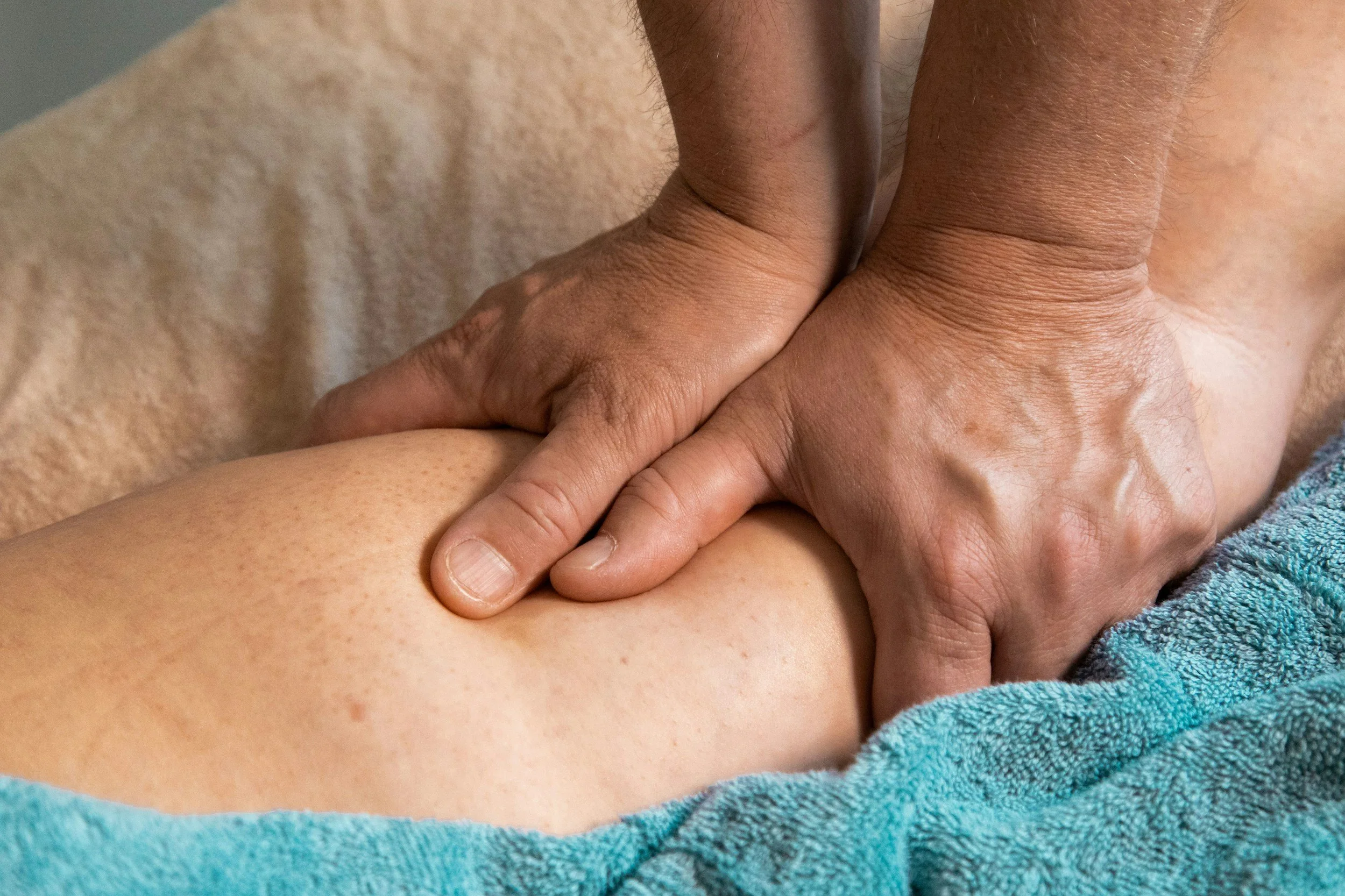
As physiotherapists, we use Manual Lymphatic Drainage (MLD)—a specialized, gentle rhythmic technique to "reroute" fluid and kickstart the body’s natural filtration process.
What is Lymphatic Drainage?
Unlike the deep pressure of a sports massage, MLD is incredibly light. Because lymphatic vessels are located just beneath the skin, heavy pressure actually collapses them. We use precise, skin-stretching movements to stimulate the lymph collectors, moving stagnant fluid toward healthy lymph nodes where it can be processed and eliminated.
Who Benefits? (And Why)
1. Post-Mastectomy Patients
Surgery for breast cancer often involves the removal of axillary (armpit) lymph nodes. This disrupts the natural drainage path for the arm and chest.
• The Benefit: MLD helps prevent Secondary Lymphoedema and reduces the "heaviness" or tightness often felt in the chest wall and arm following surgery.
2. Pregnancy
The body undergoes a massive increase in blood volume and hormonal shifts during pregnancy, often leading to "physiological edema" (swelling) in the legs and ankles.
• The Benefit: It provides immediate relief from the discomfort of swollen limbs and can help prevent the skin from over-stretching, all while being a safe, non-invasive treatment for both mom and baby.
3. Post-Lymph Node Examination/Biopsy
Even a diagnostic biopsy or a limited node removal can cause "micro-disruptions" in the lymphatic flow.
• The Benefit: Early intervention with MLD can ensure the remaining nodes pick up the slack, preventing localized swelling from becoming a chronic condition.
4. The Elderly
As we age, our "muscle pump" (the movement of our leg muscles that helps push fluid upward) becomes less efficient. Coupled with reduced mobility, this often leads to chronic venous insufficiency and leg swelling.
• The Benefit: MLD assists the aging system in moving fluid back toward the heart, reducing the risk of skin breakdown and ulcers.
5. Post-Orthopedic Surgery (ACL, Hip/Knee Replacement)
After a major joint surgery, the inflammatory response is massive. Excessive swelling can actually physically block your range of motion and slow down muscle activation.
• The Benefit: By clearing the surgical "debris" and fluid, we get you moving faster and reduce post-operative pain.
6. Chronic Sinusitis & Migraines
While usually associated with the limbs, the head and neck have a high density of lymph nodes.
• The Benefit: Gentle drainage of the neck and face can reduce pressure in the sinus cavities and help clear inflammatory markers that may contribute to chronic headaches.
How a Physiotherapist Can Help
We don't just "massage" the fluid away; we manage the condition. A physiotherapy-led approach usually involves Complex Decongestive Therapy (CDT), which includes:
-
Measuring limb girth and checking skin integrity to create a baseline.
-
The hands-on "re-routing" of fluid using specialized, lightpressure techniques.
-
Applying specialized bandages or garments to maintain the reduction in swelling.
-
Prescribing "muscle pump" movements that work in tandem with the drainage.
-
Teaching self-management techniques and skin care to prevent infections like cellulitis.
If you’re noticing persistent swelling that doesn't go away overnight, or a feeling of "heaviness" in a limb, it’s time to seek a professional evaluation. The lymphatic system is a powerful ally in your recovery, sometimes it just needs a little direction.
Ready to Start Your Journey? Book A Physiotherapy Session With Meredith Today!
Reaching out to a physiotherapist can be the turning point in your recovery. We're here to help you get back to doing the things you love, without being held back by pain.