
The Barefoot Shoe Revolution: A Physiotherapy Perspective
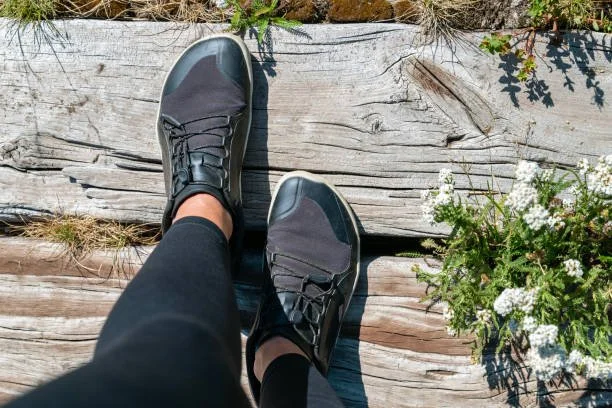
In recent years, the footwear industry has shifted from "maximum cushion" to "minimalist." Barefoot shoes, characterized by wide toe boxes, thin soles, and zero-drop heels, aim to mimic the experience of walking without shoes.
But as a physiotherapist, the question I hear most is: "Are they actually good for my feet?"
The answer isn't a simple yes or no. It depends on your anatomy, your history, and how you transition. Let’s break down the pros, the cons, and the "physio-approved" way to make the switch.
The Anatomy of a Barefoot Shoe
Traditional shoes often act like a "cast" for your foot. Barefoot shoes aim to be the opposite. They typically feature:
Wide Toe Box: Allows your toes to splay naturally, improving balance.
Zero Drop: The heel and forefoot are at the same height, encouraging a mid-foot strike rather than a heavy heel strike.
Thin, Flexible Soles: Provides "sensory feedback" from the ground, telling your brain exactly where your foot is in space.
The Benefits: Why Make the Switch?
From a rehabilitative standpoint, minimalist footwear can offer several advantages:
Intrinsic Muscle Strengthening: Because the shoe doesn't provide arch support, the tiny muscles inside your foot (the intrinsics) have to work harder. This can lead to a stronger, more resilient arch.
Improved Proprioception: The thin sole increases the communication between your feet and your nervous system. This is excellent for balance and preventing ankle sprains.
Natural Alignment: By removing the elevated heel, your pelvis and spine can settle into a more neutral position, which may alleviate some types of lower back pain.
The Risks: Who Should Be Cautious?
Barefoot shoes aren't for everyone immediately. If you have spent 30 years in structured shoes, your tissues have adapted to that environment. Moving too fast can lead to:
Stress Fractures: Specifically in the metatarsals (the long bones of the foot) if they aren't used to the impact.
Achilles Tendonitis: A zero-drop shoe puts the Achilles tendon on a significant stretch. If your calves are tight, this sudden tension can cause inflammation.
Plantar Fasciitis: While barefoot shoes can strengthen the foot, an unprepared foot might experience strain on the plantar fascia during the transition phase.
The Physio-Approved Transition Plan
If you want to try barefoot shoes, don't throw away your sneakers just yet. Follow this progressive loading strategy:
-
Duration: 1–2 Weeks
Activity: Wear your barefoot shoes only inside the house or indoor in a mall for 1–2 hours a day.
-
Duration: 2–3 Weeks
Activity: Take 15-minute walks on soft surfaces (grass or sand) to allow for sensory adaptation.
-
Duration: 1 Month
Activity: Alternate days between your traditional shoes and barefoot shoes for daily errands.
-
Duration: Variable
Activity: Only begin running or jumping in barefoot shoes once you can walk 5km pain-free.
The Verdict
Barefoot shoes are a fantastic tool for functional foot health, but they are a "workout" for your feet. Just as you wouldn't go to the gym and squat 100kg on your first day, you shouldn't expect your feet to handle a 5-mile run in minimalist shoes immediately.
The Best Footwear for You? It’s the one that matches your current foot strength and your activity goals.
Physio Tip: If you have flat feet (over-pronation) or significant bunions, consult with a therapist first. We can provide specific "foot core" exercises to prep your arches before you ditch the support!
Ready to Start Your Journey? Book A Physiotherapy Session With Meredith Today!
Reaching out to a physiotherapist can be the turning point in your recovery. We're here to help you get back to doing the things you love, without being held back by pain.