
Can You Exercise When You’re Pregnant? A Physio’s Guide to Staying Active
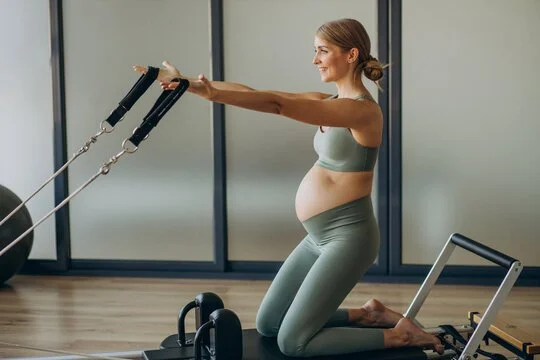
As a physiotherapist, one of the most common questions I get from expectant mothers is: "Is it actually safe for me to exercise right now?" There is a lot of outdated advice floating around the internet. For decades, pregnant women were told to take it easy, put their feet up, and avoid lifting anything heavier than a grocery bag.
But today, the medical consensus is completely different. Yes, you absolutely can (and should) exercise during pregnancy, provided you have a healthy, uncomplicated pregnancy and the green light from your OBGYN.
In fact, movement isn’t just safe. It’s one of the best things you can do for your body and your baby. Let’s break down why exercise matters during pregnancy, how it helps, and how to adapt your routine safely.
Why Exercise is Your Secret Weapon During Pregnancy
Pregnancy is essentially a 10-month athletic event. Your body undergoes rapid biomechanical changes: your center of gravity shifts forward, your ligaments slacken due to a hormone called relaxin, and your cardiovascular system works double-time.
Staying active helps your body adapt to these massive shifts. Here are the primary benefits from a physio perspective:
Reduces Aches and Pains: As your belly grows, it pulls your pelvis into an anterior tilt, which often leads to lower back and pelvic girdle pain. Targeted exercise keeps your core and glutes strong to support this extra load.
Preps You for Labor: Labor requires serious muscular and cardiovascular endurance. Staying fit can improve your stamina for delivery.
Speeds Up Postpartum Recovery: Keeping your muscles active now makes it significantly easier to rebuild your strength and core function after your baby arrives.
Manages Swelling and Circulation: Movement pumps fluid out of your lower extremities, reducing that uncomfortable pregnancy ankle swelling.
How to Exercise Safely (By Trimester)
Your body changes by the week, meaning your exercise routine needs to evolve, too.
First Trimester:
In the first few months, you might feel incredibly fatigued or suffer from morning sickness.
The Goal: Maintenance and consistency.
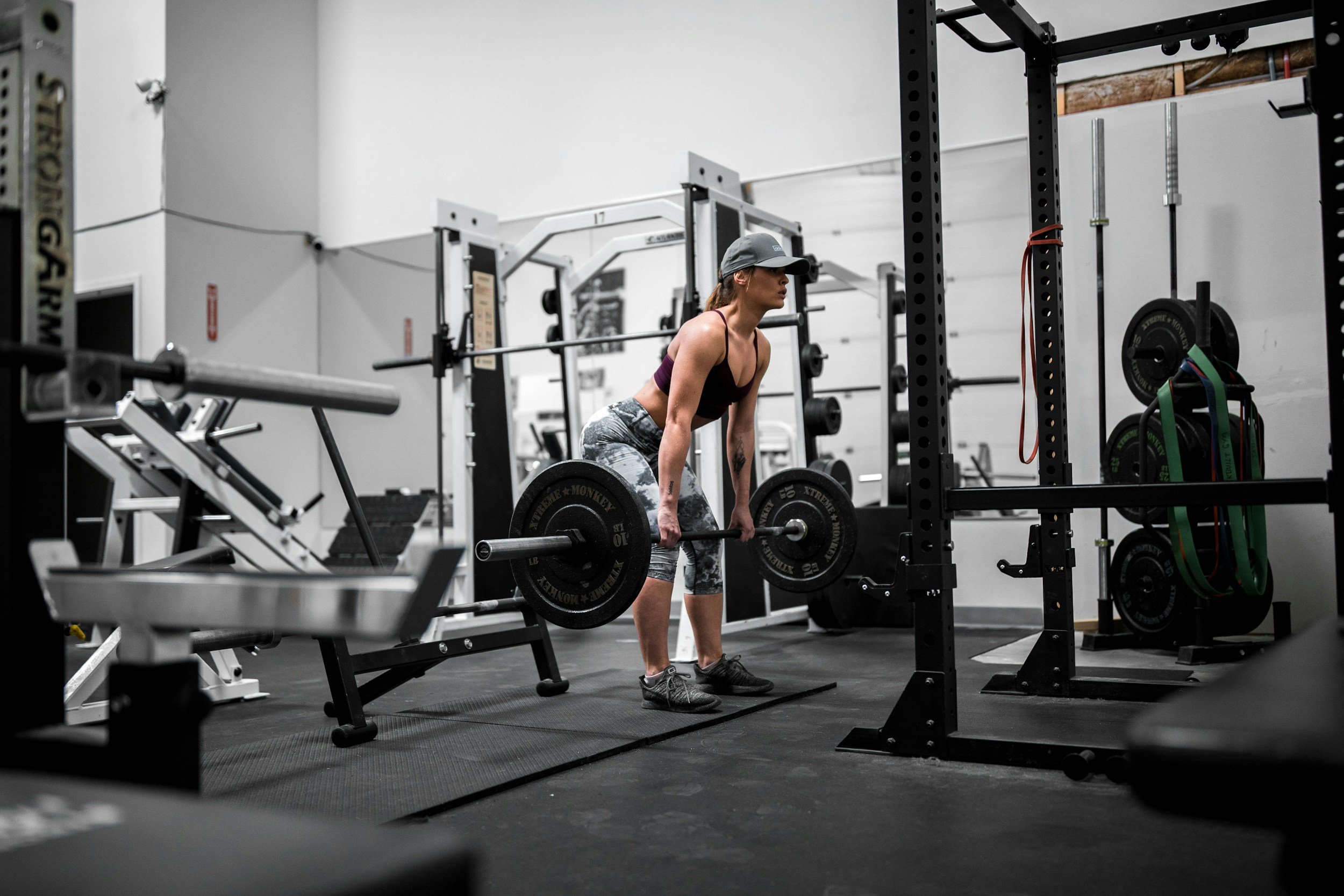
Physio Tip: If you were lifting weights or running before pregnancy, you can generally continue doing so. Don't worry about hitting new personal records right now. If you're too exhausted, a simple 20-minute walk is a massive win.
Second Trimester:
This is often the "golden trimester" where energy returns, but your bump begins to show, altering your balance.
The Goal: Core stability, pelvic support, and posture.
Physio Tip: Now is the time to modify exercises that require you to lie flat on your back for long periods (as the weight of the uterus can compress the vena cava, a major blood vessel). Swap flat bench presses or floor crunches for incline work or side-lying exercises.
Third Trimester:
You are carrying a lot of extra weight now, and your joints will feel much looser due to peak levels of relaxin.
The Goal: Mobility, pelvic floor relaxation, and low-impact cardio.
Physio Tip: Switch from high-impact activities (like running or jumping) to low-impact options like swimming or prenatal clinical pilates. Focus on widening your stance during squats to accommodate your bump and protect your pubic symphysis joint.
The "Physio Favorites": Exercises to Prioritize
If you want the highest return on investment for your pregnancy workouts, focus on these three areas:
Glute Strengthening (Clamshells, Glute Bridges, Squats): Your glutes are the anchor of your pelvis. Strong glutes prevent the lower back from taking the brunt of your growing belly.
Deep Core Activation (360° Breathing): Instead of crunches, practice diaphragmatic breathing. Inhale to expand your belly and ribcage; exhale to gently draw your deep lower abs in (like a corset). This protects your spine and prevents severe diastasis recti (abdominal separation).
Pelvic Floor Awareness: It’s not just about doing contractions or holds; it’s about learning to relax the pelvic floor muscles so they can stretch during delivery. Prenatal pelvic floor work and deep squats are excellent for this.
Red Flags: When to Stop Exercising Immediately
While exercise is safe, you must always listen to your body. Stop exercising and contact your healthcare provider immediately if you experience:
Vaginal bleeding or fluid leaking
Dizziness, feeling faint, or shortness of breath before exertion
Chest pain
Painful, regular uterine contractions
Severe pelvic girdle or lower back pain that doesn't resolve with rest
Pregnancy is a time to train for function, health, and resilience. Be kind to yourself, modify when necessary, and remember that any movement is better than no movement.
Unsure where to start? Every pregnancy is completely unique. If you are experiencing pelvic pain, leakage, or just want a customized workout plan tailored to your body, book an appointment with a pelvic health physiotherapist. We are here to keep you moving safely!
Ready to Start Your Journey? Book A Physiotherapy Session With Meredith Today!
Reaching out to a physiotherapist can be the turning point in your recovery. We're here to help you get back to doing the things you love, without being held back by pain.