
Planning your next trip—be it an adventurous snowsports itinerary or a relaxing beach holiday—is exciting. However, the physical demands of travel, from enduring long flights and carrying luggage to engaging in novel activities, can often lead to unexpected muscle aches, joint stiffness, and compensatory pain patterns.
This article moves beyond basic travel advice to show you exactly how integrating evidence-based physiotherapy principles into your travel planning and daily vacation routine can ensure your holidays are memorable for all the right reasons, keeping you mobile, comfortable, and injury-free.
The Physio Approach: Why Travel Causes Pain
Physiotherapy recognizes that pain often stems from changes in load and posture. Travel disrupts our usual routine, creating three main injury risk factors:
Prolonged Static Posture: Hours spent sitting (flights, car rides) lead to flexion-based loading of the spine and shortening of muscles like hip flexors and pectorals.
Increased or Novel Loading: Suddenly hiking 10 miles or skiing aggressively places stress on unprepared joints and muscles (e.g., knee ligaments, rotator cuffs).
Compromised Environment: Unsupportive beds, heavy, asymmetrical luggage carrying, and walking on uneven terrain challenge our balance and core stability.
Phase 1: Pre-Travel Conditioning (Injury Prevention)
A physiotherapist views the trip as an event requiring physical preparation.
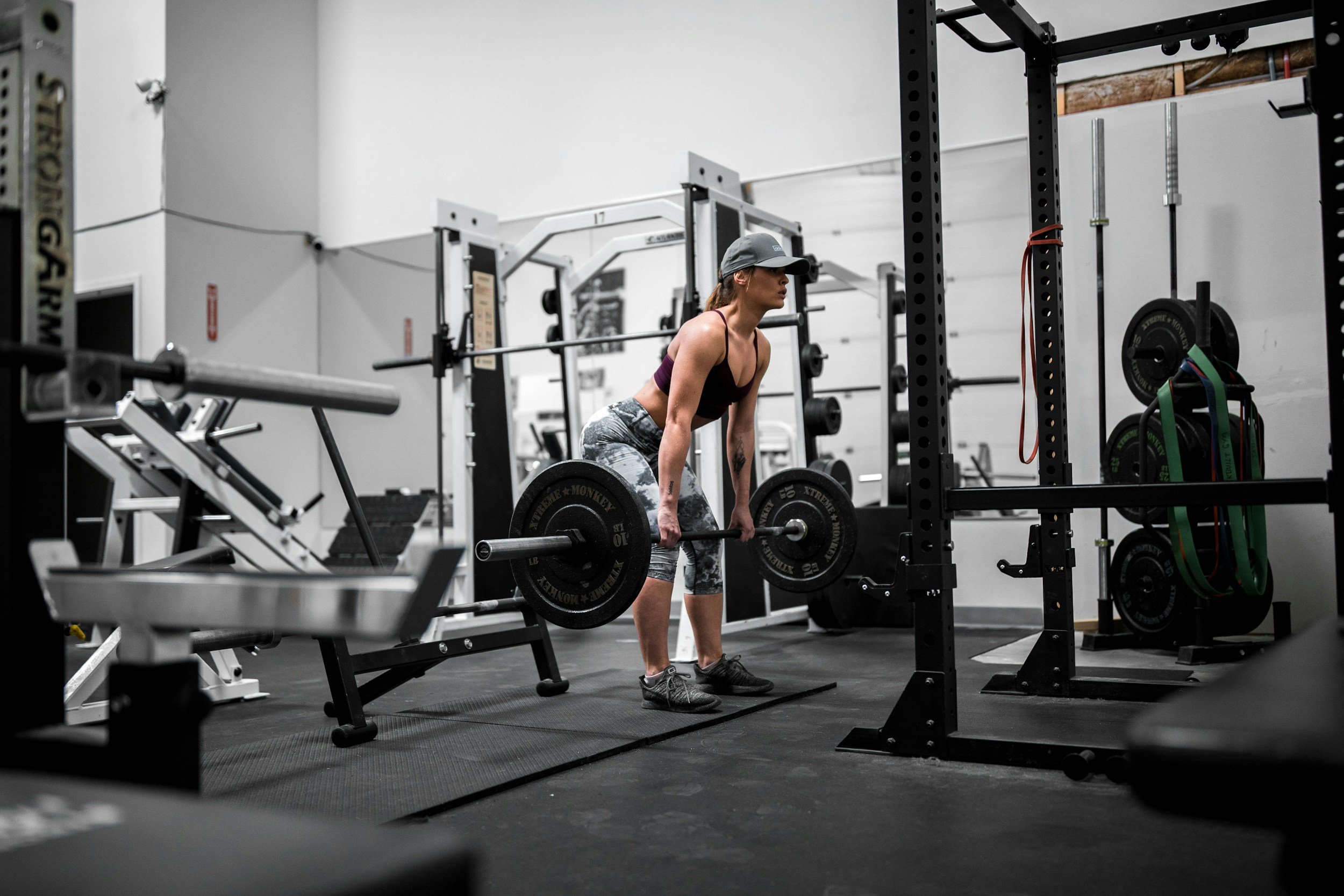
1. Pre-Activity-Specific Strength
If your trip involves a high level of specific activity, pre-conditioning is crucial:
Snowsports/Hiking: Focus on eccentric strengthening of the quadriceps (e.g., slow step-downs) and gluteal muscle activation (e.g., bridges, clamshells) to stabilize the knees and hips.
Walking/Sightseeing: Improve single-leg balance (essential for walking on cobblestones) and calf strength (heel raises) to absorb repetitive ground reaction forces.
2. Postural Endurance Training
Since you know you’ll be sitting, train your endurance for good sitting:
Deep Neck Flexor Training: Practice gentle chin tucks to prevent the common forward-head posture that causes neck pain.
Core Stabilization: Focus on activating your transverse abdominis with low-level bracing exercises to support the spine during lifting and prolonged sitting.
Phase 2: Maintaining Spinal Health In-Transit
Your focus here is load management and reducing tissue creep (the deformation of connective tissue from prolonged stress).
1. In-Seat Lumbar and Pelvic Support
Maintain Neutral Spine: Use a rolled-up sweater or commercially available lumbar roll to fill the natural curve of your lower back. This prevents excessive posterior pelvic tilt (slumping), which over-stretches ligaments and discs.
Avoid Cross-Legged Sitting: This posture can create pelvic torsion and place asymmetrical load on your sacroiliac joint.
2. Intermittent Mobilization and Circulation
Every hour, perform a mini-mobilization routine:
Ankle Pumps (20-30)
Promotes venous return (prevents swelling/DVT risk).
Seated Hip Flexor Stretch (10 sec hold)
Counteracts shortening from sitting; relieves anterior hip tension.
Thoracic Extension (5-10)
Gentle backward bending over the chair back to oppose spinal flexion.
Shoulder Blade Squeezes (10)
Activates mid-back postural muscles (rhomboids/trapezius).
3. Smart Luggage Handling
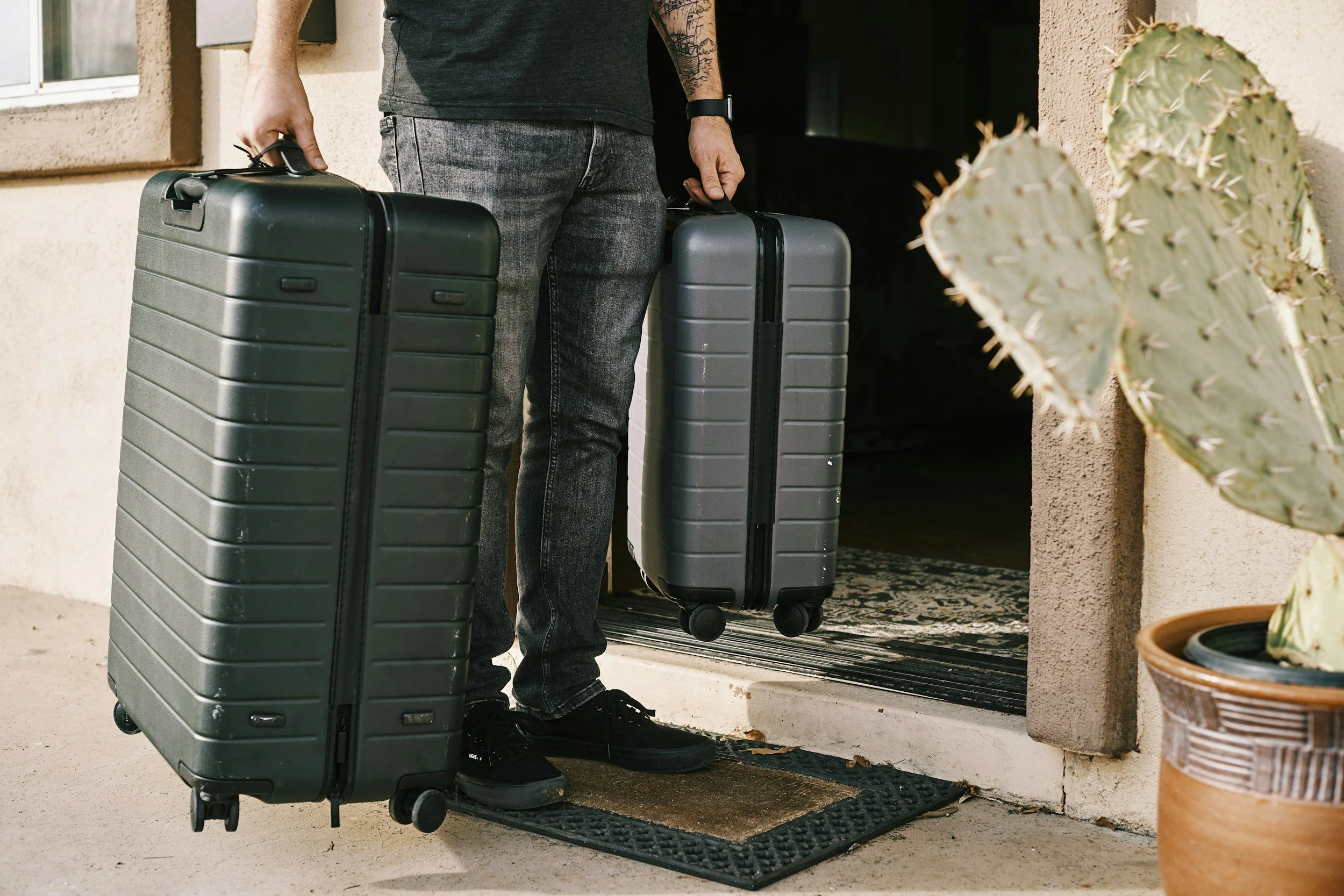
The Power Lift: When lifting a suitcase, keep your spine straight, engage your glutes, and avoid spinal rotation while flexing—the highest risk movement for disc injury.
Distribute Weight: When carrying a backpack, ensure the weight is centered and use both shoulder straps and the hip belt to distribute the load across the pelvis.
Phase 3: Vacation Routine (Mobility & Recovery)
The goal on holiday is to manage the new physical load and ensure rapid recovery.
1. Daily Mobility Reset
Morning Activation: Before high-activity days, perform dynamic stretches like leg swings and arm circles to warm up the joints and increase blood flow.
Evening Soft Tissue Release: After long days, use a tennis or lacrosse ball against a wall for self-myofascial release on your glutes, piriformis, or calf muscles. Apply sustained, gentle pressure for 30–60 seconds on tender spots.
2. Managing Novel Load
The 10% Rule: If you are new to an activity (e.g., surfing), only increase the duration or intensity by about 10% per day. Avoid "weekend warrior" syndrome where you do too much too fast.
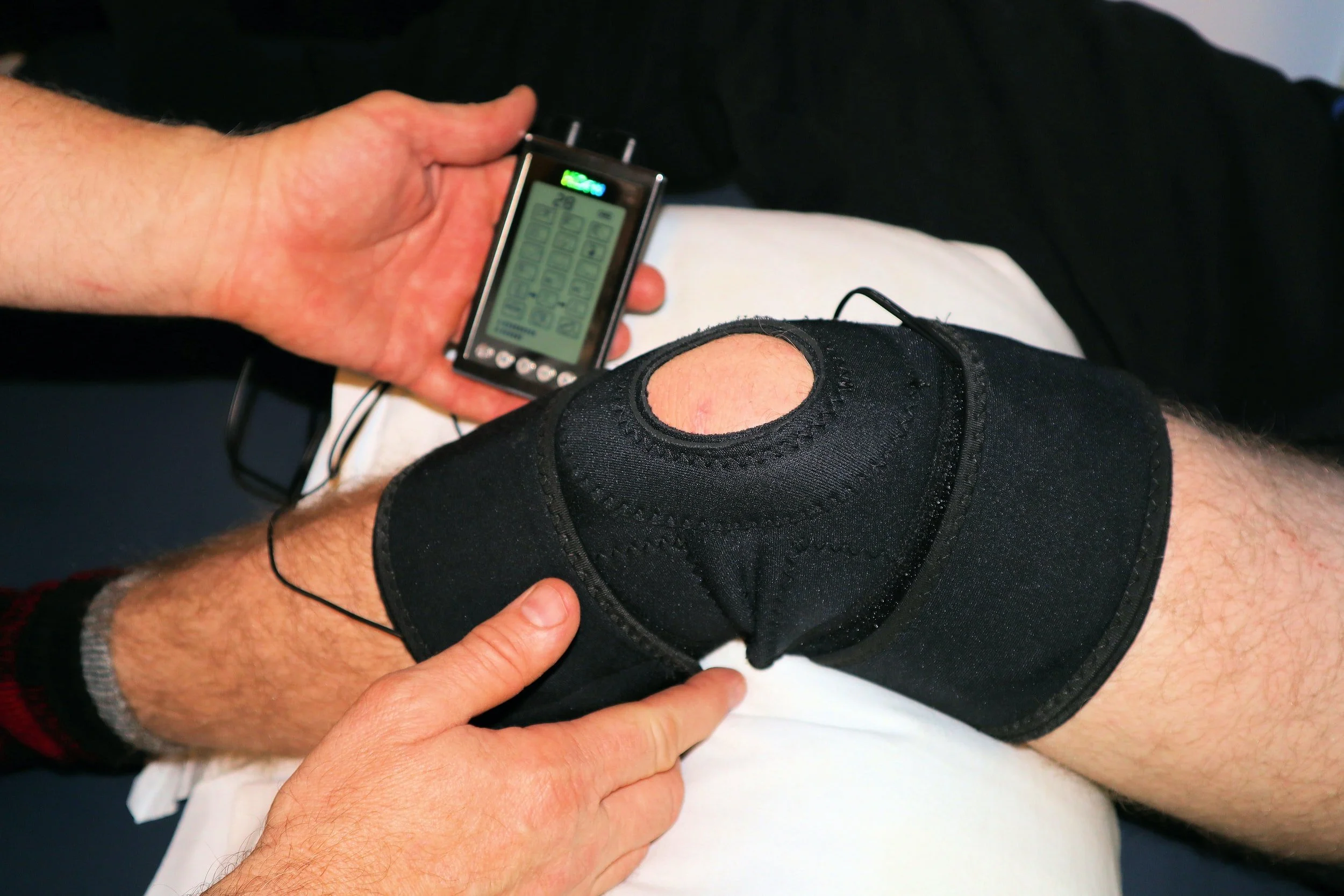
Post-Activity Recovery: Use the RICE protocol (Rest, Ice, Compression, Elevation) immediately for any acute sprains or strains. Ice should be applied within the first 48 hours to minimize inflammation.
3. Optimizing Sleep Posture
Unfamiliar beds can be disastrous for the neck and back.
Pillow Support: If your pillow is too soft, fold a towel underneath it for a more supportive height. For side sleepers, the pillow should keep your nose aligned with the center of your chest (neutral neck).
Spinal Alignment: For side sleepers, place a firm pillow between your knees to prevent the top leg from dropping and rotating the pelvis and spine.
Conclusion: Be Your Own Travel Physio
By intentionally applying these physiotherapy strategies—from pre-conditioning your body for the load ahead to proactively managing your posture and mobility while in transit—you are taking control of your physical well-being. This ensures your adventurous or relaxing travel itinerary is executed flawlessly, leaving you with fantastic memories, not lingering aches.