
Anterior cruciate ligament (ACL) reconstruction is one of the most common surgeries for athletes and active individuals who have experienced a knee injury. Returning to sport safely after ACL reconstruction requires more than just healing from surgery. Physiotherapy plays a vital role in restoring strength, stability, and confidence, ensuring that athletes can safely resume training and competition. Understanding the physiotherapy perspective helps patients navigate the full return to sport journey effectively.
The Importance of Physiotherapy After ACL Reconstruction
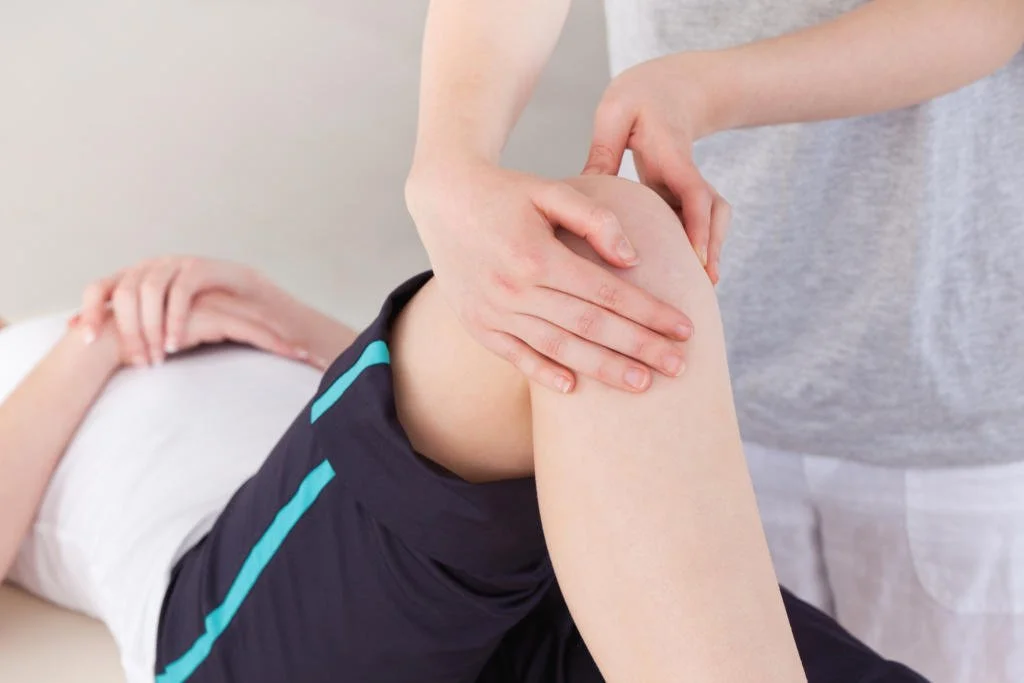
After ACL reconstruction, the knee joint requires careful rehabilitation to restore full function. Physiotherapy helps reduce swelling, improve range of motion, and strengthen surrounding muscles. It also addresses movement patterns and balance deficits that may have contributed to the injury. Without proper physiotherapy, athletes risk re-injury, reduced performance, and long-term joint problems.
Physiotherapists create personalised rehabilitation plans based on the patient’s sport, fitness level, and surgical outcome. This approach ensures a safe, structured progression through each stage of recovery.
Early Stage Rehabilitation
The first stage of post-surgical physiotherapy focuses on reducing pain and swelling while regaining basic knee mobility. Key components include:
Range of motion exercises: Gentle bending and straightening exercises to restore joint movement.
Quadriceps activation: Targeted exercises to prevent muscle wasting and improve knee stability.
Gait training: Practising walking with correct alignment and support aids like crutches if needed.
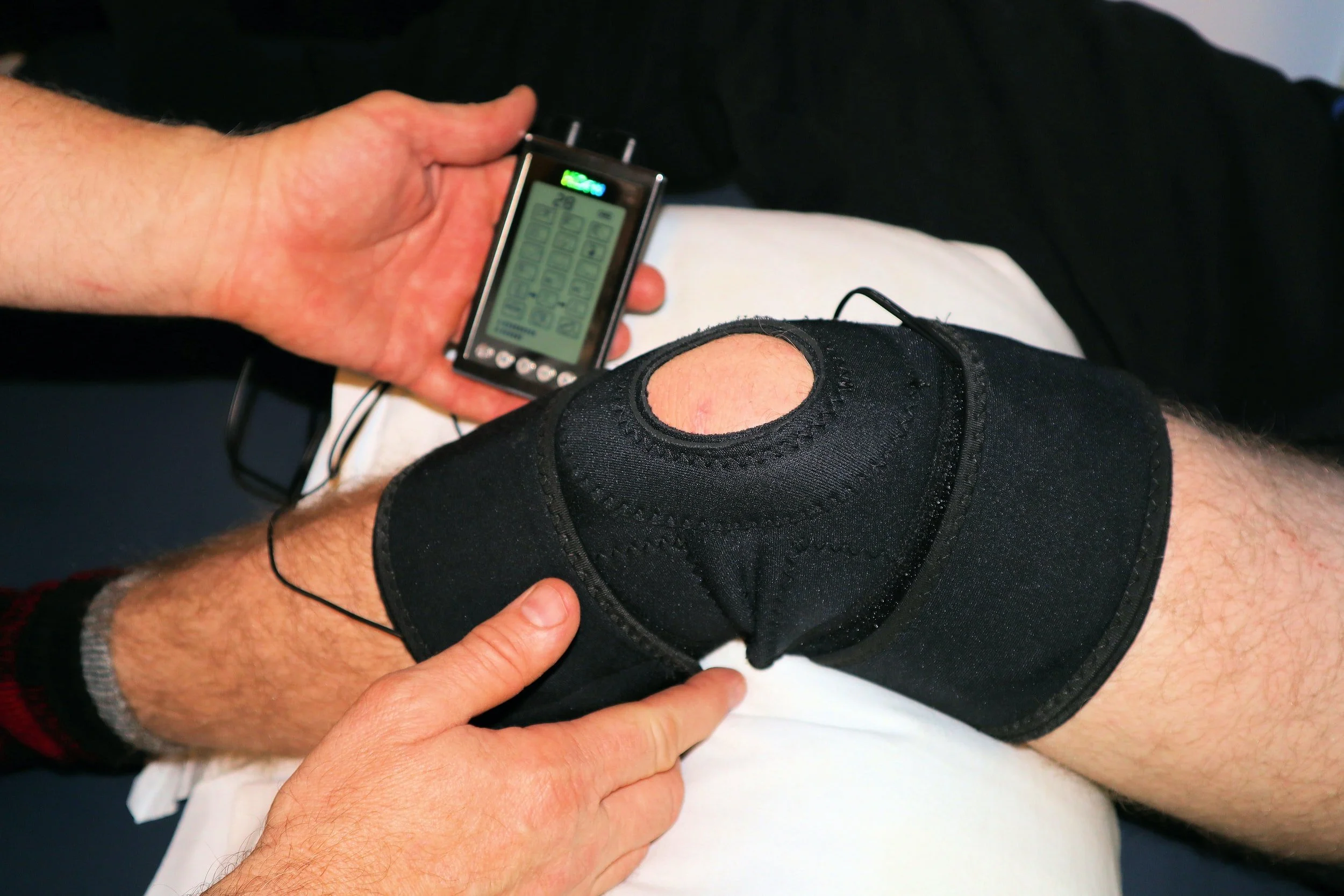
Pain and swelling management: Ice, compression, and elevation help control inflammation.
Early intervention sets the foundation for later stages and supports a quicker return to sport.
Strength and Stability Training
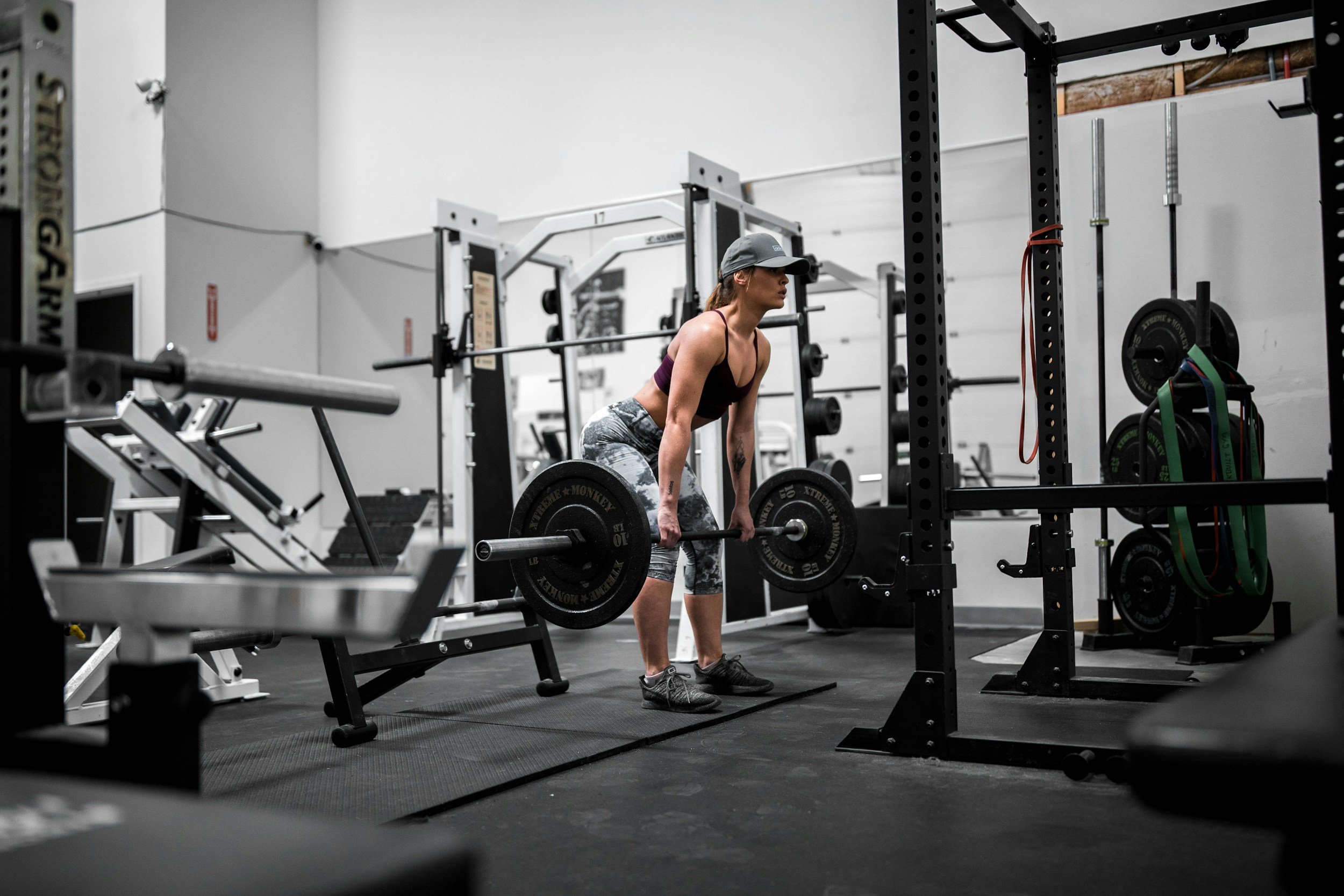
Once basic mobility is restored, physiotherapy progresses to rebuilding strength and stability. This stage is essential for protecting the reconstructed ACL during sports activities. Key exercises include:
Leg strengthening: Squats, lunges, and step-ups to enhance quadriceps, hamstrings, and gluteal muscles.
Balance and proprioception drills: Single-leg stands and wobble board exercises improve knee control.
Functional movement training: Sport-specific movements such as cutting, pivoting, and jumping are introduced gradually.
This stage helps athletes regain power, coordination, and confidence in their knee.
Advanced Sport-Specific Rehabilitation
The final stage focuses on preparing the athlete for a full return to training and competition. Physiotherapists assess the knee through dynamic testing and simulate sport-specific scenarios. Key elements include:
Agility drills: Incorporating rapid changes in direction and reaction time exercises.
Jumping and landing mechanics: Teaching proper technique to reduce the risk of re-injury.
Endurance and conditioning: Ensuring the athlete can sustain high-intensity activity without fatigue.
Psychological readiness: Addressing fear of re-injury and boosting confidence in knee function.
This stage ensures that athletes return to sport safely and at peak performance.
The Role of Ongoing Support
Even after returning to sport, ongoing physiotherapy can help maintain knee health. Regular strengthening, flexibility exercises, and monitoring of movement patterns prevent future injuries and optimise long-term performance. Athletes benefit from continued guidance on training load management, recovery strategies, and injury prevention techniques.
Moving Forward with Confidence
Successfully returning to sport after ACL reconstruction is possible with a structured physiotherapy plan. By focusing on strength, stability, coordination, and sport-specific skills, athletes can rebuild confidence in their knee and perform at their best. Consistent physiotherapy not only reduces the risk of re-injury but also supports long-term knee health, helping athletes maintain an active lifestyle and enjoy the sports they love.