

Injury recovery often requires more than rest and rehabilitation exercises. Taping and bracing are two effective supportive techniques used in physiotherapy to protect injured joints, reduce pain, and enhance recovery. Understanding when and how to use these methods can help patients recover safely while maintaining mobility and confidence in daily activities or sports.
What is Taping in Physiotherapy?
Taping involves applying specialised adhesive tape to the skin over muscles, joints, or ligaments. The technique provides support, reduces strain on injured tissues, and can improve proprioception, which is the body’s awareness of movement.
There are several types of taping, including:
Rigid tape: Provides strong support to prevent excessive joint movement.
Elastic therapeutic tape: Offers flexible support while allowing a full range of motion.
Kinesiology tape: Designed to lift the skin slightly, enhancing circulation and reducing swelling.
Physiotherapists apply taping as part of a comprehensive rehabilitation plan to stabilise the affected area and reduce the risk of re-injury.
How Bracing Supports Injury Recovery
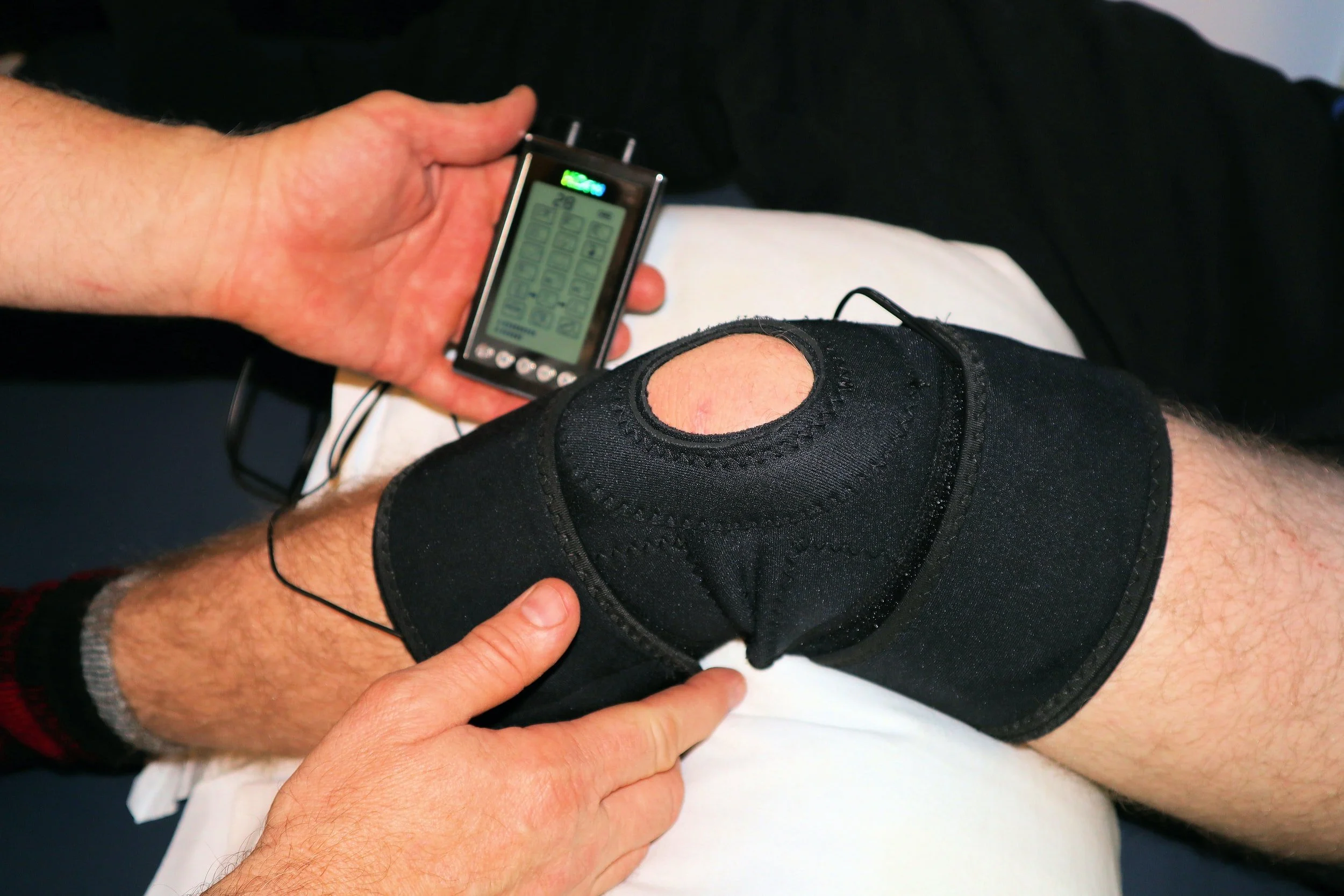
Bracing involves wearing a device that immobilises or limits movement in a joint or limb. Braces can be custom-made or commercially available and are often used in the recovery of:
Knee ligament injuries
Ankle sprains
Wrist or thumb injuries
Post-surgical joint stabilisation
Bracing allows the injured area to heal while maintaining safe mobility. It also provides confidence during rehabilitation exercises and helps prevent accidental movements that could worsen the injury.
Benefits of Taping and Bracing
Taping and bracing offer several advantages for patients recovering from injuries:
Pain reduction: Both techniques support the injured area and reduce strain on muscles and ligaments.
Improved stability: Braces and rigid taping help stabilise joints, reducing the risk of further injury.
Enhanced proprioception: Taping can increase awareness of movement, which is particularly important after ligament or joint injuries.
Support during rehabilitation: Patients can perform physiotherapy exercises safely while using supportive techniques.
Psychological confidence: Feeling secure can motivate patients to engage fully in rehabilitation and return to normal activities faster.
When to Use Taping or Bracing
A physiotherapist will determine whether taping or bracing is appropriate based on the type and severity of the injury. Common scenarios include:
Acute injuries, such as sprains or strains, to provide immediate support.
Chronic joint instability that requires ongoing protection during activity.
Post-surgical recovery to limit excessive movement while tissues heal.
Sports participation where additional stability reduces the risk of aggravating the injury.
It is important to use these techniques under professional guidance to avoid restricting movement unnecessarily or causing skin irritation.
Integrating Supportive Techniques with Physiotherapy
Taping and bracing are most effective when combined with a structured physiotherapy programme. Components often include:
Strengthening exercises: Targeting muscles around the joint to restore natural stability.
Stretching and mobility routines: Maintaining flexibility in muscles and connective tissues.
Functional training: Practising movement patterns required for daily life or sports.
Education: Teaching patients when to use support and when to gradually reduce reliance on it.
By combining supportive techniques with rehabilitation exercises, physiotherapy promotes faster recovery, reduces pain, and helps prevent re-injury.
Regaining Strength and Confidence
Taping and bracing are valuable tools for anyone recovering from an injury. They provide physical support, enhance safety during movement, and improve confidence in rehabilitation exercises. Consulting a physiotherapist ensures that taping or bracing is applied correctly and tailored to the individual’s needs, helping to achieve optimal recovery and long-term joint health.