
Ankle sprains are one of the most common musculoskeletal injuries seen in Hong Kong, affecting everyone from weekend hikers on the Dragon's Back to athletes and busy professionals navigating our city’s uneven pavements.
Among these, the Ankle Inversion Injury (where the foot rolls inward) is the most frequent. While many people choose to "walk it off," improper management of an inversion sprain can lead to chronic instability and long-term pain.
In this guide, we explore what happens during an inversion injury and how targeted physiotherapy can get you back on your feet faster.
What is an Ankle Inversion Injury?
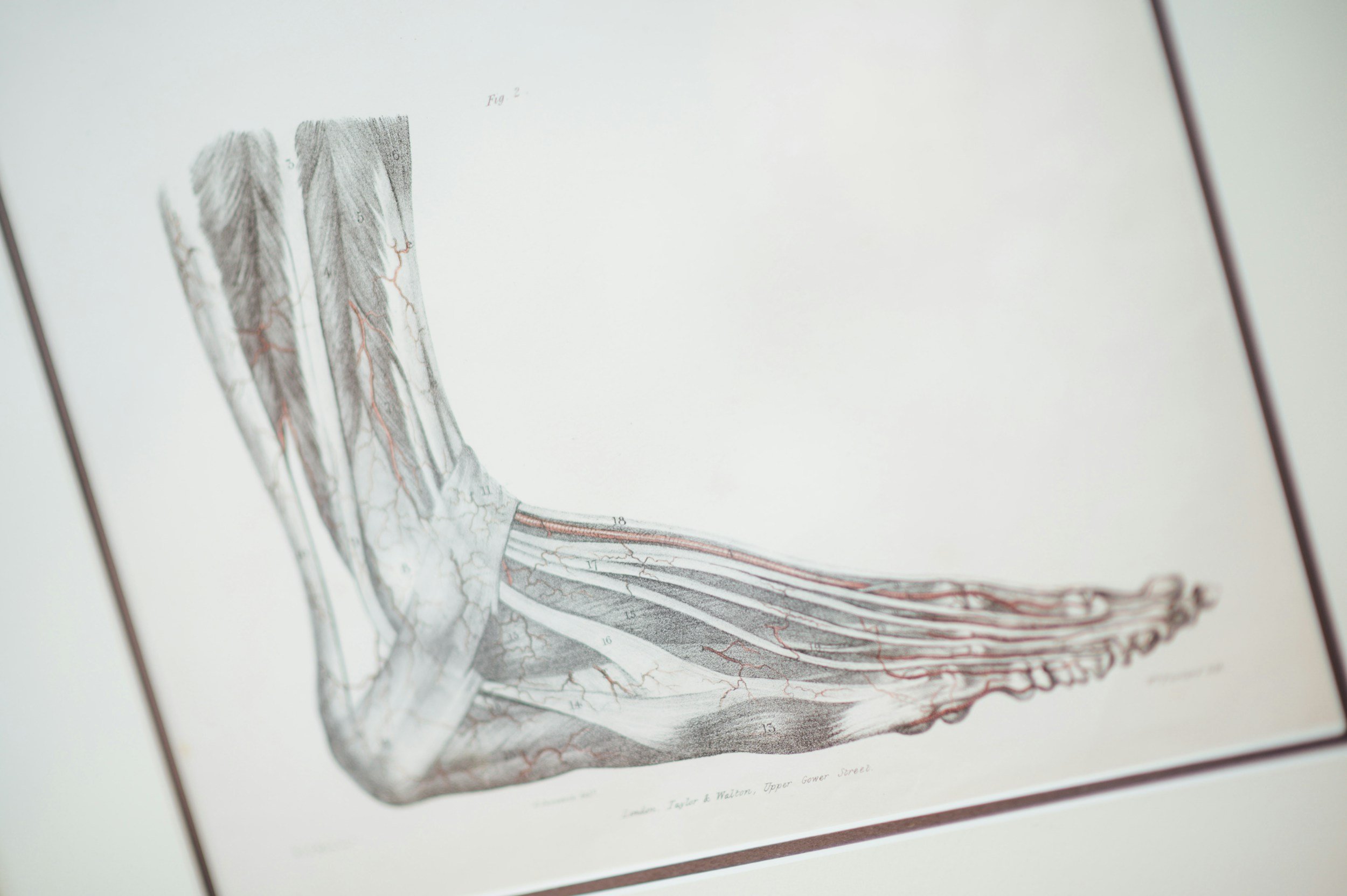
An inversion injury occurs when the ankle rolls outward while the sole of the foot turns inward. This action stretches or tears the ligaments on the outside (lateral side) of the ankle.
The most commonly affected ligaments include:
ATFL (Anterior Talofibular Ligament): The most frequently injured.
CFL (Calcaneofibular Ligament): Often injured in more severe rolls.
PTFL (Posterior Talofibular Ligament): Rarely injured except in total dislocations.
Degrees of Severity:
Grade 1 (Mild): Slight stretching of the ligament with microscopic tears. Mild swelling and tenderness.
Grade 2 (Moderate): Partial tearing of the ligament. Significant swelling, bruising, and difficulty bearing weight.
Grade 3 (Severe): A complete rupture of the ligament. Intense pain, instability, and inability to walk.
Why You Shouldn't Ignore a "Minor" Sprain
The biggest mistake patients make is resuming sports or high-impact activities as soon as the initial pain subsides. Without proper rehabilitation, the ligaments may heal "long" or lose their proprioception (the brain's ability to sense the joint's position). This creates a cycle of recurrent sprains, eventually leading to chronic ankle instability or early-onset osteoarthritis.
How Physiotherapy at ProHealth Asia Can Help
At ProHealth Asia Hong Kong, our approach to ankle recovery goes beyond just reducing pain. We focus on restoring full function and preventing future injury through a multi-stage rehabilitation program.
1. Pain and Inflammation Management
In the acute phase (the first 48–72 hours), our physiotherapists use techniques such as manual lymphatic drainage, ultrasound therapy, and professional taping to reduce swelling and protect the joint.
2. Restoring Range of Motion
Once the acute swelling subsides, stiffness often sets in. We use manual therapy and joint mobilisations to ensure the talus (ankle bone) is moving correctly within the joint, preventing that "blocked" feeling many patients experience.
3. Strength and Stability Training
A "weak ankle" is often a result of weak supporting muscles. We design specific programs to strengthen the peroneal muscles on the side of the leg, which act as the primary defenders against another inversion roll.
4. Proprioceptive & Balance Retraining
This is the most critical stage of rehab. We use balance boards, foam pads, and functional movement drills to "re-train" your nervous system to react quickly when you step on an uneven surface.
5. Return to Sport/Activity
Whether you are a runner, a tennis player, or simply want to walk comfortably in heels, we tailor your final stage of rehab to mimic the specific demands of your lifestyle.
Expert Tips for Immediate Care: The POLICE Principle
While we used to recommend RICE (Rest, Ice, Compression, Elevation), the modern standard is POLICE:
Protection
Optimal Loading (gentle movement rather than total rest)
Ice
Compression
Elevation
Book Your Assessment Today
Don't let a rolled ankle turn into a lifelong problem. Our team of expert physiotherapists at ProHealth Asia Hong Kong is dedicated to providing personalised care to help you recover efficiently and safely.