
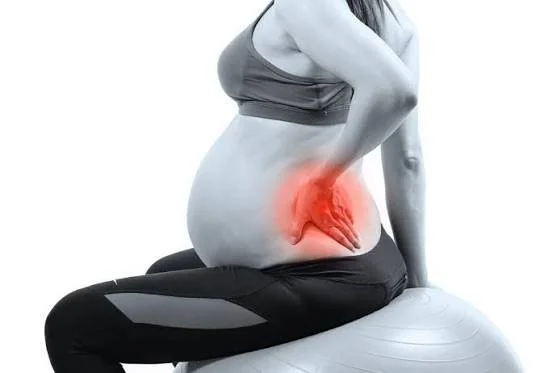
"You’re growing a human, of course your back hurts."
Almost every expectant mother hears this at least once from well-meaning friends, family, or even healthcare providers. Common advice often boils down to resting, waiting it out, and assuming discomfort simply comes with the territory until delivery day.
Here is the truth: pain during pregnancy is common, but it is not normal.
While profound anatomical and hormonal shifts are expected, persistent aches, whether in the lower back, pubic bone, hips, or tailbone, are treatable signs of mechanical overload, not a mandatory rite of passage.
Myth Busting: Common vs. Normal
Conflating "common" with "normal" is the primary reason pregnant individuals suffer in silence.
The Myth: Pregnancy hormones like relaxin loosen your ligaments, making joint instability and severe aches unavoidable until after birth.
The Reality: Relaxin increases joint laxity to prepare the pelvis for birth, but loose ligaments do not automatically cause pain. Pain occurs when muscles fail to compensate for that increased mobility, or when the changing center of gravity places asymmetric stress on joints that are already fatigued or misaligned.
Common Conditions Mistaken for "Normal Aches"
Pelvic Girdle Pain (PGP) / Symphysis Pubis Dysfunction (SPD): Sharp, catching pain at the front of the pubic bone or across the sacroiliac (SI) joints at the back. It often worsens when rolling over in bed, walking upstairs, or standing on one leg to put on pants.
Lumbar Lordosis Overload: As the baby grows forward, the pelvis tilts anteriorly, exaggerating the lower back curve and compressing the facet joints.
Rib Flare and Diaphragm Compression: Expanding uterine volume pushes upward, stretching intercostal muscles and causing localized rib cage tenderness or shallow breathing.
Carpal Tunnel Syndrome & Sciatica: Swelling and postural shifts can compress peripheral nerves, triggering pins-and-needles down the legs or into the hands.
None of these issues require simply "waiting it out." With the right muscular support, joint loading, and movement modifications, most symptoms can be reduced or resolved entirely.
The Role of Physiotherapy During Pregnancy
Prenatal and pelvic health physiotherapists specialize in adapting biomechanics to match the rapidly changing pregnant body. Far from standard massage, physiotherapy offers structured, clinical intervention across several key areas:
1. Accurate Differential Diagnosis
A prenatal physio identifies whether your pain originates from the sacroiliac joints, the pubic symphysis, lumbar spinal discs, or tight pelvic floor muscles. Knowing the precise driver determines whether a joint needs stabilization, release, or mobilization.
2. Pelvic Floor Balancing (Not Just Kegels)
A common misconception is that the pelvic floor only needs to be tightened. In many painful pregnancies, the pelvic floor muscles are hypertonic, chronically clenched and overactive in an attempt to hold a loose pelvis together. A physio teaches you how to both strengthen and lengthen these muscles, which relieves tension and prepares the body for smoother labor and delivery.
3. Targeted Joint Stabilization & Support
Physios prescribe specific therapeutic supports when needed:
Pelvic support belts (trochanteric belts): Provide passive compression across the SI joints or pubic symphysis during walking.
Kinesiology taping: Offloads belly weight and supports overstretched abdominal walls without restricting movement.
4. Labor and Birth Preparation
A pelvic floor physio helps you discover optimal labor positions tailored to your specific pelvic structure, especially if standard positions like lying flat on your back provoke pelvic or back pain.
What to Do If You Are Experiencing a Painful Pregnancy
If everyday movements are becoming uncomfortable, taking proactive steps early prevents compensation patterns from worsening as the baby grows.
1. Modify Asymmetric Daily Movements
When you have pelvic girdle pain or pubic symphysis irritation, shearing forces across the pelvis trigger sharp discomfort. Simple behavioral adjustments make an immediate difference:
Sit down to dress: Put on pants, socks, and shoes while seated rather than balancing on one leg.
Keep your knees together when turning: When rolling over in bed or getting out of the car, squeeze a small pillow between your knees and turn your shoulders and hips as one solid unit (log-rolling).
Stand with balanced weight: Avoid pushing one hip out to the side while standing in line or holding a toddler.
2. Practice Gentle Unloading Exercises
Hands-and-Knees Cat-Cow: Takes the weight of the baby completely off your spine and pelvic floor, improving mid-back and lumbar mobility.
Side-Lying Clamshells with Core Bracing: Activates the gluteus medius to stabilize the lateral pelvis while walking.
Diaphragmatic Rib Breathing: Inhale expanding 360 degrees into your side ribs; exhale gently drawing the lower abdomen (transverse abdominis) in like a hug around the baby.
3. Sleep with Strategic Pillows
Place a firm pillow between your knees and ankles (not just knees) to keep your thighs parallel and prevent your top hip from twisting forward during the night. A small wedge under your belly can also relieve tension on your lower back.
When to Seek Professional Care
Consult a pelvic health or a women’s health physiotherapist if your pain limits your ability to walk, sleep, work, or carry out daily routines, or if self-care strategies offer no relief within a few days. Seek prompt medical care from your obstetrician if pain is sudden and severe, accompanied by cramping, vaginal bleeding, fluid leakage, or unexplained calf swelling and tenderness.
Ready to Start Your Journey? Book A Physiotherapy Session With Meredith Today!
Reaching out to a physiotherapist can be the turning point in your recovery. We're here to help you get back to doing the things you love, without being held back by pain.