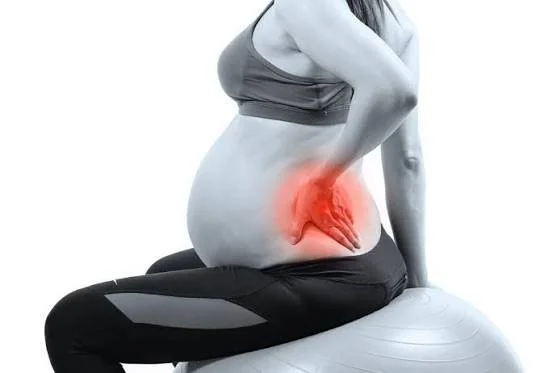


If you catch yourself leaning to one side in photos, notice one shoulder sitting higher than the other, or struggle with persistent, nagging back ache after a long day at your desk, you might be dealing with postural scoliosis.
The good news? Unlike structural scoliosis, where spinal bones are permanently wedged or rotated - postural (or functional) scoliosis is largely driven by everyday habits, muscle imbalances, and joint compensations. Because your spine is naturally flexible, targeted therapy can make a meaningful difference.
One of the most effective, research-backed approaches for this is the Schroth Method. Here is a clear breakdown of how it works, what the science says, and what treatment actually looks like for adults.
What Exactly Is Postural Scoliosis?
Scoliosis simply means a sideways curve of the spine. However, doctors categorize it into two main types:
Structural Scoliosis: The bones of the spine (vertebrae) have physically changed shape or permanently twisted, often developing during adolescent growth spurts.
Postural (Functional) Scoliosis: The spinal bones are structurally healthy, but the spine curves sideways due to outside tension. Common culprits include:
Uneven hips or a slight difference in leg length
Years of sitting slouched or carrying heavy bags on one shoulder
Muscular imbalances where muscles on one side of the back become short and tight, while the other side becomes overstretched and weak
Guarding against pain (such as leaning away from a painful hip or nerve)
When you lie down flat or bend forward, a functional curve often straightens out or softens significantly. That flexibility is your greatest advantage - it means your spine can be retrained.
What Is the Schroth Method?
Developed in Germany over a century ago, the Schroth Method is a specialized physiotherapy program designed specifically for spinal curves. Schroth treats the spine as a three-dimensional structure, addressing:
Side-to-side curvature (leaning or shifting sideways)
Front-to-back posture (slouching, rounded shoulders, or flat-back posture)
Twisting or rotation (one side of the rib cage or lower back rotating backward)
The 3 Core Tools of Schroth
Rotational Angular Breathing: When a spine curves and twists, one side of the ribs compresses while the other opens up. Schroth teaches you to consciously breathe into the collapsed, sunken areas, using the pressure of your own lungs to gently expand tight spaces from the inside out.
Auto-Elongation (Growing Taller): You learn how to actively lengthen your spine away from gravity using your deep stabilizing muscles, taking pressure off compressed joints.
Targeted Muscle Holds: Using props like wall bars, yoga straps, and gentle wedges, you hold specific corrective positions to build strength and retrain your posture.
What Does the Evidence Say for Adults?
Many people believe scoliosis exercises only work for teenagers who are still growing. Clinical research shows this is not the case, especially for flexible, functional curves:
Less Pain, More Daily Comfort: Research published in the European Spine Journal evaluated conservative scoliosis-specific exercises (PSSE) in adults and consistently showed significant reductions in chronic back pain scores and noticeable improvements in day-to-day mobility.
Better Symmetry and Stability: Clinical guidelines from SOSORT (the International Society on Scoliosis Orthopaedic and Rehabilitation Treatment) highlight that three-dimensional exercise programs help patients regain balanced trunk alignment and pelvic stability much more effectively than generic gym exercises.
Easier Breathing and Less Fatigue: Clinical trials tracking lung capacity have found that Schroth breathing techniques help expand restricted chest walls, reducing that tired, tight feeling in the mid-back and ribs by the end of the day.
What Does Treatment Look Like in Practice?
Working with a certified Schroth therapist is hands-on, educational, and tailored directly to your specific body pattern:
1. Mapping Your Curve
Your physiotherapist will assess how your spine moves when standing, sitting, and bending forward. They will check your pelvic alignment, look for leg-length differences, and identify which muscles are working overtime and which ones have gone to sleep.
2. Using Mirrors to Retrain Your Brain
When you have lived with an asymmetrical posture for months or years, your brain adopts it as your "normal center." Straightening up often feels crooked at first. Schroth uses mirror feedback so your eyes and brain can agree on what true center feels like.
3. Customized Exercises and Positioning
During a session, you won’t just be doing standard planks or crunches:
Small wedges or rice bags might be placed under a hip or rib cage while lying down to passively level out your spine.
You will use wall poles or sturdy doorframe grips to lengthen your torso while actively breathing into hollowed-out areas.
You will hold gentle, static muscle contractions that strengthen the weak side while stretching the tight side.
4. Taking It Home into Daily Life
The real value of Schroth comes from applying it outside the clinic:
Sitting at work: Learning how to sit evenly on your sit-bones without slouching into your curve's hollow side.
Standing in line: Catching yourself before shifting all your weight onto your favorite hip.
Daily lifting and carrying: Distributing weight so you protect your spine during daily routines.
Schroth vs. Regular Gym Workouts: What’s the Difference?
| Feature | Standard Gym / General PT | Schroth Method |
|---|---|---|
| Focus | General core and back strengthening | Correcting your specific 3D curve pattern |
| Breathing | Standard deep breathing | Targeted breathing to expand collapsed ribs |
| Body Awareness | General posture cues ("stand tall") | Precise mirror biofeedback and muscle retraining |
| Approach | Often symmetric (same exercises both sides) | Asymmetric (different focus for each side) |
Getting Started
If you are an adult struggling with postural asymmetry or persistent one-sided back fatigue, you do not have to just accept it as part of aging or desk work:
Get an accurate assessment: Confirm with a healthcare professional or physiotherapist whether your curve is functional or structural.
Find a Schroth therapist: Look for a physiotherapist trained in the Schroth Method
Commit to consistency: Most adults start with 1 to 2 guided sessions per week alongside 15 minutes of daily home practice to help their new posture become second nature.
Ready to Start Your Journey? Book A Physiotherapy Session With Meredith Today!
Reaching out to a physiotherapist can be the turning point in your recovery. We're here to help you get back to doing the things you love, without being held back by pain.