
What is Thumb Base Osteoarthritis (OA)?
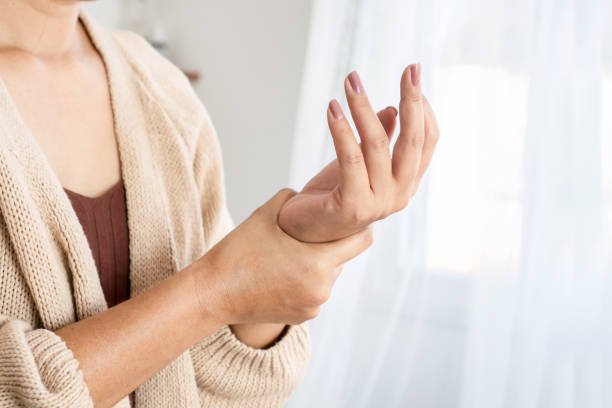
Thumb base osteoarthritis, also called rhizarthrosis or first carpometacarpal (CMC) joint OA, is one of the most common forms of osteoarthritis. It affects the joint where the thumb metacarpal meets the trapezium bone of the wrist. This joint is essential for opposition, grip, and pinch, so even early cartilage wear can make opening jars, turning keys, or sustained pinching painful. In OA, the joint cartilage gradually breaks down, and this sets off inflammation. Symptoms usually develop slowly and worsen over time. People often report pain and tenderness at the thumb base, stiffness or loss of flexibility, swelling, weakness or instability, deformity, bone spurs, and a grinding sensation with movement.
Who Is at Risk and What Drives It?
Thumb base OA is more common in women, particularly after menopause, and prevalence rises with age, but men can also develop it. Risk is also linked to genetics, previous joint injury, jobs or activities that repeatedly stress the joint, and lifestyle factors such as having a high BMI or smoking. The main driver is loss of dynamic stability at the CMC joint. Ligaments that normally keep the metacarpal centred loosen, and the joint shifts into a mechanically less favourable position under pinch and grip loads. This instability accelerates cartilage wear and can lead to compensations at the adjacent metacarpophalangeal (MCP) joint.
How Is It Diagnosed and What Is the Z Sign?
Diagnosis is mainly clinical. A clinician, such as a physiotherapist or doctor, will ask about symptoms, examine the thumb base, and use provocative testing, where the joint is loaded or moved in ways that reproduce pain. X rays or other imaging can help confirm the diagnosis, but the appearance on imaging does not always match how severe the symptoms feel. Early referral is important because it can help slow progression and improve pain and joint function.
The Z sign, or Z thumb deformity, is a clinical hallmark of more advanced instability. As the CMC joint subluxes and the first metacarpal drifts into adduction, the MCP joint progressively hyperextends and the interphalangeal (IP) joint flexes to compensate. This gives the thumb a zigzag or Z shaped outline. The Z sign does not by itself mean surgery is needed. Conservative management remains first line. The Hong Kong Society for Surgery of the Hand advises night splints, joint protection, analgesics, and exercises. Surgery is considered when pain and functional limitation remain unacceptable despite a reasonable trial of conservative care.
How Physiotherapy Manages Thumb Base OA
Arthritis is not curable, but treatment can ease symptoms, protect the joint, and strengthen the soft tissues that support it. Management is individualised and conservative care is first line.
Splints and orthoses:
Custom low temperature thermoplastic thumb spica splints or off-the-shelf splints can rest the joint at night and stabilise it during heavy tasks.
Joint protection and ergonomics:
This is a key part of management. Patients learn to modify daily habits, such as avoiding tight key pinch or wringing towels, and to use assistive tools like jar openers or built-up pen grips. Education about activity modification and pain relief options is also important.
Targeted exercise:
Programs combine gentle pain free range of motion stretches with strengthening of the thumb’s dynamic stabilisers, such as the first dorsal interosseous and thenar muscles, to prevent joint collapse. Grip and pinch strengthening are progressed as tolerated, along with stability work for muscles that support the joint.
Modalities and manual therapy:
Heat packs, ultrasound, or gentle joint mobilisation may be used to ease stiffness and pain before exercise.
If pain remains troublesome despite these measures, surgeons may recommend a corticosteroid injection to help settle the pain in the joint.
When Surgery Is Considered and Why Post Operative Rehabilitation Matters
Surgery may be appropriate for more severe cases, and referral to an orthopaedic hand surgeon may be needed. In Hong Kong, common options include trapeziectomy and joint replacement. Rehabilitation after surgery is a planned part of care, and your surgical team will usually arrange this with a therapist. Following the advice you are given is important for regaining motion, strength, and function. Early rehabilitation protects the healing tissues and guides safe motion; later stages progressively load the thumb for pinch and grip. Guided rehabilitation reduces the risk of stiffness, weakness, and poorer long term function, so planning it before surgery helps protect your outcome.
Ready to Start Your Journey? Book A Physiotherapy Session With Mohammad Today!
Reaching out to a physiotherapist can be the turning point in your recovery. We're here to help you get back to doing the things you love, without being held back by pain.