
Cervical Radiculopathy: When Neck Pain Causes Arm Pain, Numbness or Weakness
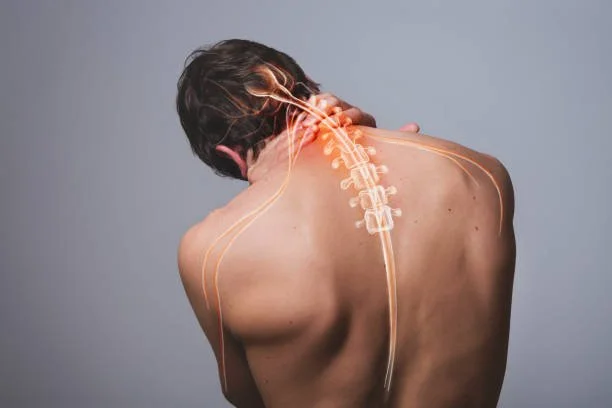
Neck pain is a common complaint, but when the pain starts travelling down the shoulder and arm, accompanied by numbness, tingling, or weakness, it may be a sign of cervical radiculopathy.
Many people mistake these symptoms for muscle strain or poor posture. However, cervical radiculopathy occurs when one of the nerves exiting the neck becomes irritated or compressed. Fortunately, most people recover well with appropriate conservative treatment, and physiotherapy plays an important role in reducing pain, restoring function, and helping prevent recurrence.
What is Cervical Radiculopathy?
Cervical radiculopathy refers to irritation or compression of a cervical nerve root as it exits the spine. The affected nerve transmits signals to specific areas of the shoulder, arm, and hand. When compressed, it can lead to pain, altered sensation, muscle weakness, or reduced reflexes.
The condition most commonly affects adults between 40 and 60 years of age and can develop gradually due to age-related changes or suddenly following an injury.
The most frequently affected nerve roots are C6 and C7, although any cervical nerve root can be involved.
Common Causes
Several conditions can narrow the space around the nerve root or increase pressure on the nerve.
Cervical Disc Herniation
The intervertebral discs act as cushions between the vertebrae. A disc may bulge or herniate, causing pressure on a nearby nerve root. This is more common in younger adults and often develops after repetitive loading or lifting.
Degenerative Changes (Cervical Spondylosis)
As we age, the discs gradually lose height and the joints may develop arthritis. Bone spurs (osteophytes) can form and narrow the openings where the nerves exit the spine (foraminal stenosis).
Repetitive movements / Postures
Long hours spent working on computers, looking down at mobile phones, or maintaining prolonged static neck positions may place increased stress on the cervical spine. While posture alone does not directly cause cervical radiculopathy, it may aggravate symptoms in susceptible individuals.
Trauma
Motor vehicle accidents, falls, or sporting injuries may contribute to nerve irritation through disc injury or inflammation.
Signs and Symptoms
Symptoms vary depending on which nerve root is affected but commonly include:
Neck pain that radiates into the shoulder, arm or hand
Sharp, burning or electric-like pain
Pins and needles or numbness
Reduced grip strength
Weakness when lifting, pushing or pulling
Symptoms that worsen when looking up or turning the head
Relief when supporting the affected arm in some individuals
Different nerve roots produce different symptom patterns.
How is Cervical Radiculopathy Diagnosed?
Diagnosis begins with a detailed physiotherapy assessment.
Your physiotherapist will discuss:
When symptoms started
Location of pain and numbness
Activities that worsen or relieve symptoms
Previous neck injuries
Functional limitations at work, sport or daily activities
A physical examination may include:
Neck movement assessment
Neurological examination (strength, sensation and reflexes)
Neural tension tests
Special tests such as the Spurling test and cervical distraction test
Assessment of posture and movement patterns
Imaging such as MRI is not routinely required unless symptoms are severe, progressively worsening, or red flags are present. Research has shown that imaging findings often do not correlate perfectly with symptoms.
How Can Physiotherapy Help?
Current clinical practice guidelines recommend conservative management as the first-line treatment for most people with cervical radiculopathy.
Treatment is always individualised and may include:
Pain Relief
Early management focuses on reducing pain and calming nerve irritation.
Treatment may include:
Gentle manual therapy
Soft tissue techniques
Joint mobilisation where appropriate
Advice regarding sleeping positions and daily activities
Education about the condition and recovery expectations
Restoring Neck Mobility
Once pain becomes more manageable, exercises are introduced to improve cervical mobility without increasing nerve irritation.
These may include:
Gentle cervical range of motion exercises
Thoracic mobility exercises
Nerve gliding exercises when appropriate
Strengthening and Motor Control
Improving muscular support around the neck and shoulder helps reduce excessive loading on the cervical spine.
Exercise programmes often target:
Deep neck flexor muscles
Scapular stabilisers
Rotator cuff muscles
Upper limb strength and endurance
Research consistently shows that exercise forms one of the most important components of successful rehabilitation.
Postural and Ergonomic Advice
Your physiotherapist may recommend modifications for:
Computer workstation setup
Mobile phone use
Driving posture
Lifting techniques
Sleep positioning
The goal is not to maintain a "perfect posture", but to reduce sustained loading and encourage regular movement throughout the day.
Return to Work and Sport
As symptoms improve, rehabilitation progresses towards returning to normal daily activities, work, exercise and sport.
Your physiotherapist will gradually increase exercise intensity while monitoring symptom response to ensure recovery remains on track.
When Should You Seek Medical Attention?
Although cervical radiculopathy usually responds well to conservative treatment, urgent medical assessment is recommended if you experience:
Rapidly worsening arm weakness
Difficulty with walking or balance
Loss of hand coordination
Problems controlling bladder or bowel function
Severe trauma followed by neurological symptoms
Unexplained fever, significant weight loss or constant night pain
These symptoms may indicate more serious conditions requiring immediate medical assessment.
Take-Home Message
Cervical radiculopathy is a common cause of neck pain that radiates into the arm, often accompanied by numbness, tingling or weakness. Although symptoms can be alarming, many people improve with conservative treatment.
A thorough physiotherapy assessment can help identify the source of symptoms, guide appropriate treatment, and develop an individualised rehabilitation programme to reduce pain, restore strength and mobility, and help prevent future episodes.
Early assessment and appropriate management often lead to faster recovery and a quicker return to normal daily activities.
-
Blanpied PR, Gross AR, Elliott JM, et al. Neck Pain: Revision 2017 Clinical Practice Guidelines from the Orthopaedic Section of the American Physical Therapy Association. Journal of Orthopaedic & Sports Physical Therapy. 2017;47(7):A1–A83.
Childress MA, Becker BA. Nonoperative Management of Cervical Radiculopathy. American Family Physician. 2016;93(9):746–754.
Thoomes EJ, Scholten-Peeters GGM, de Boer AJ, et al. Lack of uniform diagnostic criteria for cervical radiculopathy in conservative intervention studies: A systematic review. European Spine Journal. 2012;21(8):1459–1470.
Thoomes EJ, van Geest S, van der Windt DA, et al. Value of physical tests in diagnosing cervical radiculopathy: A systematic review. Spine Journal. 2018;18(1):179–189.
Kolcun JPG, Brusko GD, Heger JA, et al. Cervical Radiculopathy: A Review. HSS Journal. 2023;19(Suppl 1):65–72.
Ready to Start Your Journey? Book A Physiotherapy Session with Jason Today!
Reaching out to a physiotherapist can be the turning point in your recovery. We're here to help you get back to doing the things you love, without being held back by pain.