
The Complete Guide to Physiotherapy for Tinnitus: How Neck and Muscle Relief Can Quiet the Ringing
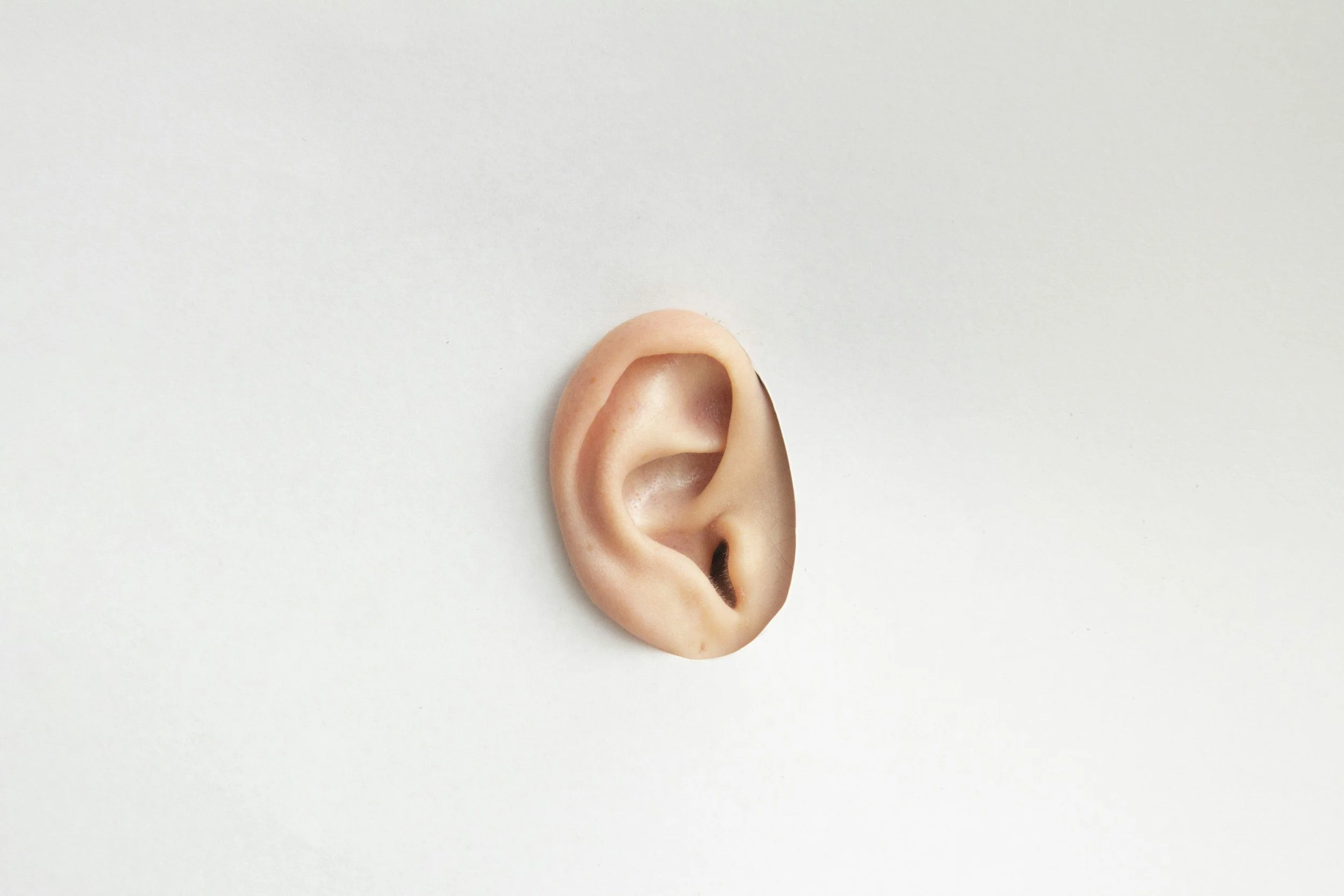
When people hear a persistent ringing, buzzing, humming, or clicking in their ears, they almost always assume it is an ear problem. Naturally, the first step for most people is visiting a hearing specialist or an ear doctor. However, medical studies show that for a huge number of people, tinnitus actually has nothing to do with inner ear damage. Instead, the sound comes from tight muscles, stiff joints, and pinched nerves in the neck, jaw, and shoulders.
When your neck and upper body are out of balance, they send mixed signals to your brain that get translated as sound. The encouraging news is that when physical strain is the root cause, physiotherapy can help turn down the volume, reduce how often the ringing happens, and help you get back to feeling like yourself.
How Your Neck and Ears Are Connected
It might seem surprising that physical therapy on your neck can affect what you hear in your ears, but your upper body and your hearing system are actually close neighbors inside your nervous system.
The main nerves in the top of your neck and jaw connect directly to the brain center that processes sound. When the muscles around your neck get tight, or when your neck joints get stiff and out of place, those tight tissues press on surrounding nerves and blood vessels. Instead of sending normal physical signals to your brain, these irritated nerves send glitchy signals. Your brain misinterprets these physical signals as noise, creating phantom ringing or buzzing. On top of that, tight neck muscles can squeeze blood vessels, reducing healthy blood flow to your ears and making the noise even worse.
4 Ways Physiotherapy Helps Quiet Tinnitus
Physiotherapy doesn't just try to hide the noise, it treats the actual physical problems causing the sound in the first place.
Releasing Muscle Knots and Tension: Modern life involves a lot of sitting, looking down at phones, and staring at screens. This causes muscles in the sides of your neck, the base of your skull, and your upper shoulders to lock up. These muscles can develop tight knots that project pain and buzzing noises straight up into your ears. Hands-on massage and muscle release therapy help relax these stubborn areas and relieve pressure.
Unpinching Nerves and Boosting Blood Flow: Squeezed nerves in your upper neck act like a kinked garden hose, disrupting normal communication to your brain. Physical therapy uses gentle hands-on movements to relieve that pressure. This opens up pathways so nerves can fire normally again and fresh, oxygen-rich blood can flow freely to your head and ears.
Improving Neck Movement and Posture: When joint movement in your upper neck is restricted, every small head movement can trigger a spike in ear noise. Physiotherapists use careful joint stretching and alignment techniques to restore smooth movement, taking away the physical stress that triggers sudden pitch or volume changes.
Calming Your Body's Stress Response: Dealing with constant ear noise is stressful, and stress makes your neck muscles tighten up even more. This creates a painful cycle where stress worsens physical tension, which then makes the tinnitus louder. Physical therapy incorporates gentle movement, breathing cues, and deep relaxation techniques to calm your overall nervous system and break this stress cycle.
What Happens During Your Physiotherapy Care?
Because everyone’s body is built differently, treatment starts with figuring out exactly where your physical tension is coming from.
-
What Your Therapist Does: Discusses when your noise started and tracks if movements like turning your head or clenching your teeth make it louder or softer.
How It Helps You: Confirms if your tinnitus is linked to your body movements and makes sure physical therapy is safe for you.
-
What Your Therapist Does: Checks your neck's range of motion, looks at how you sit and stand, and feels for tight muscles around your upper back.
How It Helps You: Finds the exact muscles and stiff joints that are pulling on your neck and irritating nearby nerves.
-
What Your Therapist Does: Gently presses on specific spots on your neck and jaw to see if the tone or pitch of your ringing changes.
How It Helps You: Proves that your ear noise is directly connected to your neck muscles and nerve pathways.
-
What Your Therapist Does: Applies gentle massage, joint stretches, and muscle release techniques to your neck and shoulders.
How It Helps You: Eases muscle spasms right away, relieves nerve pressure, and improves blood flow to your head.
-
What Your Therapist Does: Teaches you simple stretches, neck-strengthening exercises, and everyday posture adjustments.
How It Helps You: Keeps your neck strong and supported so your symptoms do not come back when you go back to work or daily life.
Is Tinnitus-Focused Physiotherapy Right for You?
While physical therapy is a fantastic tool, it works best for people whose ear noise is connected to physical body strain. You are a great candidate for this care if you notice any of the following:
Movement Changes the Sound: The pitch, volume, or location of your ringing changes when you turn your head, tilt your neck, clench your jaw, or push on your neck muscles.
Desk Work and Posture Strain: You spend long hours sitting at a desk, driving, or looking down at devices, and you notice your ear noise gets louder or more intense toward the end of the day.
Accompanying Neck and Head Pain: Your ear ringing comes alongside neck stiffness, upper back tightness, tension headaches, jaw popping, or a full feeling in your ears.
Stress Flares Up Your Symptoms: When you feel overwhelmed or anxious, you unconsciously hunch your shoulders, grind your teeth, or tighten your neck, which causes your tinnitus to spike.
What to Expect for Recovery
Tinnitus that has built up over months or years takes time and steady care to undo. Re-training irritated nerves, smoothing out old muscle knots, and building proper posture is a step-by-step journey rather than an overnight fix.
First Month (Weeks 1 to 4): The focus is on quick comfort, calming active muscle spasms, taking pressure off irritated nerves, and making quick fixes to your daily desk setup.
Second and Third Months (Weeks 5 to 12): The focus shifts to restoring full motion in your neck joints, building stronger posture muscles, and steadying your nervous system so the noise gets quieter and less frequent.
Months 3 to 6: The focus moves to long-term strength, teaching you simple self-care habits, and scheduling occasional check-ins so your neck stays healthy and your relief lasts.
A typical full recovery journey spans 2 to 6 months. By moving from quick symptom relief to long-term physical strength, physiotherapy gives you the tools you need to break free from physical tension and get back to enjoying a quiet, comfortable life.
-
Blanpied PR, Gross AR, Elliott JM, et al. Neck Pain: Revision 2017 Clinical Practice Guidelines from the Orthopaedic Section of the American Physical Therapy Association. Journal of Orthopaedic & Sports Physical Therapy. 2017;47(7):A1–A83.
Childress MA, Becker BA. Nonoperative Management of Cervical Radiculopathy. American Family Physician. 2016;93(9):746–754.
Thoomes EJ, Scholten-Peeters GGM, de Boer AJ, et al. Lack of uniform diagnostic criteria for cervical radiculopathy in conservative intervention studies: A systematic review. European Spine Journal. 2012;21(8):1459–1470.
Thoomes EJ, van Geest S, van der Windt DA, et al. Value of physical tests in diagnosing cervical radiculopathy: A systematic review. Spine Journal. 2018;18(1):179–189.
Kolcun JPG, Brusko GD, Heger JA, et al. Cervical Radiculopathy: A Review. HSS Journal. 2023;19(Suppl 1):65–72.
Ready to Start Your Journey? Book A Physiotherapy Session with Annika Today!
Reaching out to a physiotherapist can be the turning point in your recovery. We're here to help you get back to doing the things you love, without being held back by pain.